
Sports Nutrition for Beginners
Eating properly for the demands of endurance sports can be challenging, especially if you’re new to sport. We explore common misconceptions and pitfalls for the beginner endurance athlete.

Eating properly for the demands of endurance sports can be challenging. Without the right fuel, performance and recovery will be compromised. Learn how to master and implement a sports nutrition strategy that works for you, whether that’s during your workouts or races.
Eating properly for the demands of endurance sports can be challenging, especially if you’re new to sport. We explore common misconceptions and pitfalls for the beginner endurance athlete.
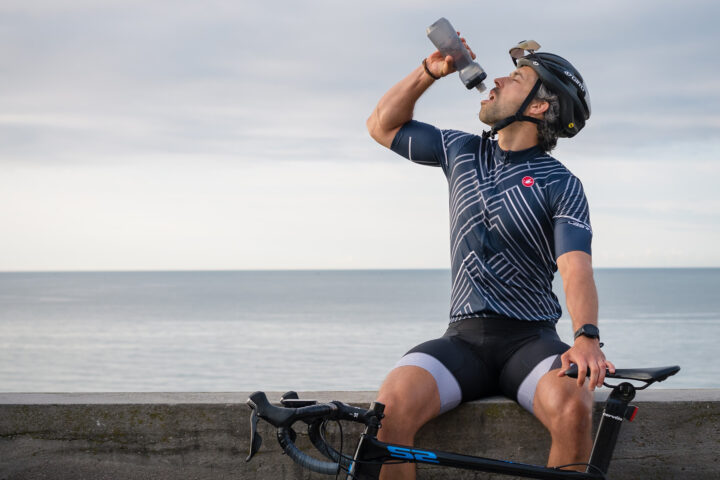
Sports nutrition for endurance athletes is controversial. With the help of experts like Dr. Asker Jeukendrup, Dr. Timothy Noakes, and Dr. John Hawley, we examine the science of fueling your body for performance and health.

Carbohydrates, fats, and proteins are the fuels that power human performance and recovery. And water is a critical piece of the puzzle.
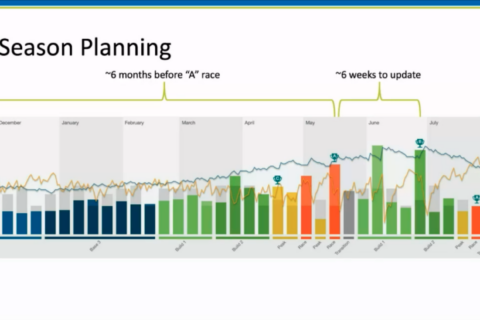
The best cyclists know that race-day nutrition must be planned—quantity, types of food, and timing that will best fuel your body for best performance.

If you decide to take supplements as an athlete, you need to understand as much as you can about healthy eating and your body. Supplement responsibly!

Gluten is bad news for your body. What, exactly, are the long-term effects and why?
Ryan and Trevor tackle questions on how running can be used in the base season, recovery for time-crunched athletes, the complexity of workouts, pre-race meal planning, and much more.
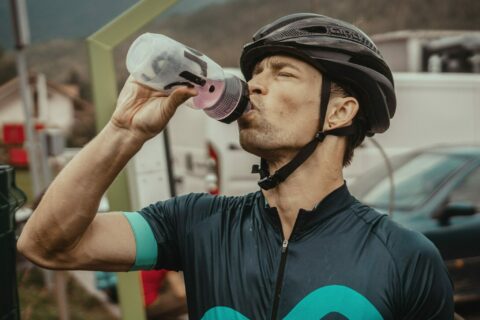
Few topics in endurance sports are more misunderstood and draw more ire than hydration and electrolyte sports drinks. Trevor Connor explores the biochemical mechanics to show what happens when we drink salty sports drinks.

Dehydration? Electrolyte imbalance? Heat? None of these actually causes cramping, according to new theories. Coach Trevor Connor takes a closer look.
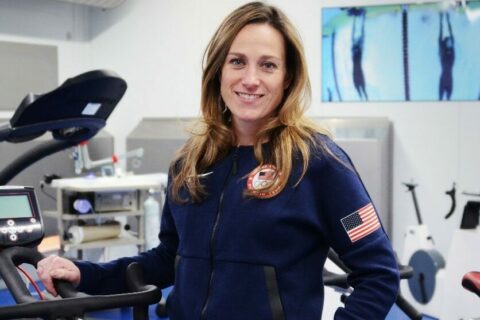
Physiologist Lindsay Golich, who works with some of America’s best Olympic athletes, helps us field questions on heat, altitude, FTP testing, fasted training, and much more.
Coaches Ryan Kohler and Trevor Connor discuss how to write out your nutrition plan, how to determine what nutrition will be available at aid stations, estimating nutrition needs between aid stations, and much more.
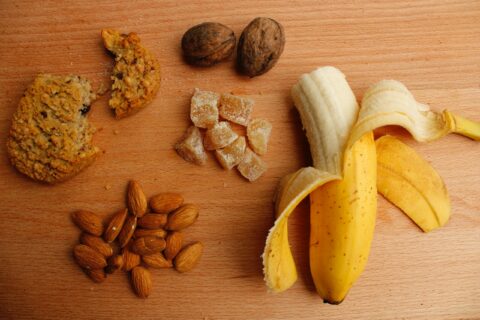
We sit down with sports nutrition expert Asker Jeukendrup to discuss potential performance gains from modifying carbohydrate load during training.

Coach and endurance mountain bike champ Daniel Matheny helps us field questions on coaching junior athletes, how aerobic capacity is impacted by intensity, PVCs, and much more.

Cardiovascular drift is measured on the bike by looking at a rise in heart rate relative to power. Dr. Ed Coyle shows us the science behind it.

Coaches Ryan Kohler and Trevor Connor dive deeper into specific nutrition metrics for a race, exploring research about race-day nutrition for the Leadville Trail 100 MTB.

Data has its benefits, but only when we learn to apply an intuitive approach to our fueling can we unlock the most efficient and healthy sports nutrition habits.

Ryan, Trevor, and Chris field questions on nutrition, strength training at home, the Hour Record, plyometrics, and more.

Group rides are dead. Zwift pros and cons. You are a bag of wet salt. Colby Pearce has unpopular opinions and a microphone. Get ready for a fun episode that will leave you ranting.

Ryan Kohler and Trevor Connor discuss some of the major myths and misconceptions in endurance sports nutrition.

Are you a good nutrition student? By using a gap analysis, you can create a personalized nutrition plan.
The best cyclists know that race-day nutrition must be planned—quantity, types of food, and timing that will best fuel your body for best performance.
Carbohydrates, fats, and proteins are the fuels that power human performance and recovery. And water is a critical piece of the puzzle.