External Load vs. Internal Response
Load, stress, strain—they’re terms we hear a lot in sports science, but what do they mean? Dr. Stephen Seiler explores how your internal response to external load will change as you become fitter and more durable.
In collaboration with Dr. Stephen Seiler, the “father of polarized training,” we have curated everything you need to know about the 80/20 training method.
Intensity can be a slippery slope for endurance athletes—there is a temptation to push harder and longer. The real recipe for performance might entail some new priorities.
It can be very easy to train at a moderate intensity all the time, which can be a surefire way to land in an overreached state. Polarized training can help prevent that—and in this video, Dr. Seiler explains how.
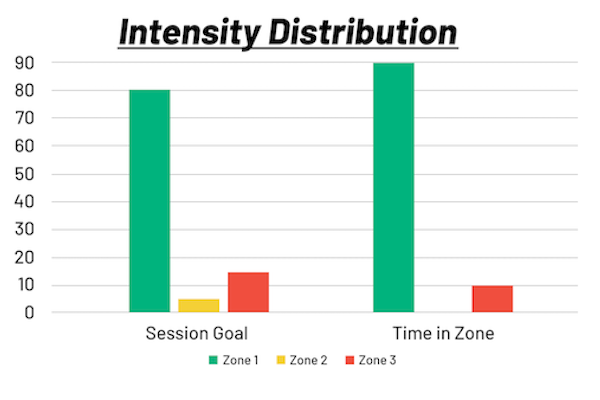
Is 80/20 really the best mix of intensities? And what’s the best way to categorize training? Dr. Seiler has a simple method to get you started.
Scientists have worked closely with athletes and coaches to define the polarized model and explain how it works. Who leads the way? Dr. Seiler talks about the scientific process playing out in valuable ways in both research and the real world.
Dr. Stephen Seiler explains why polarized training is a winning strategy for the long game of endurance sports. By balancing the stress of training, athletes see bigger gains over time.
This is our first episode of a limited series recorded with Dr. Stephen Seiler. In this episode, Seiler explains his background as a researcher, and talks about something near and dear to all of us: the heart.
Dr. Stephen Seiler shares his current research involving new tools, breathing techniques, heart rate variability, and… beer!
Learn advanced data analysis for cycling, triathlon, and running workouts and races. With new data analysis tools, you can make better decisions about your training.
Chris Case is leaving Fast Talk! For his final episode, we gather some of his close cycling friends to discuss Chris and his epic rides, his parting wisdom, and what has made him a special part of Fast Talk.
What will the future of endurance sports look like? From training to research to racing, we examine what is to come.
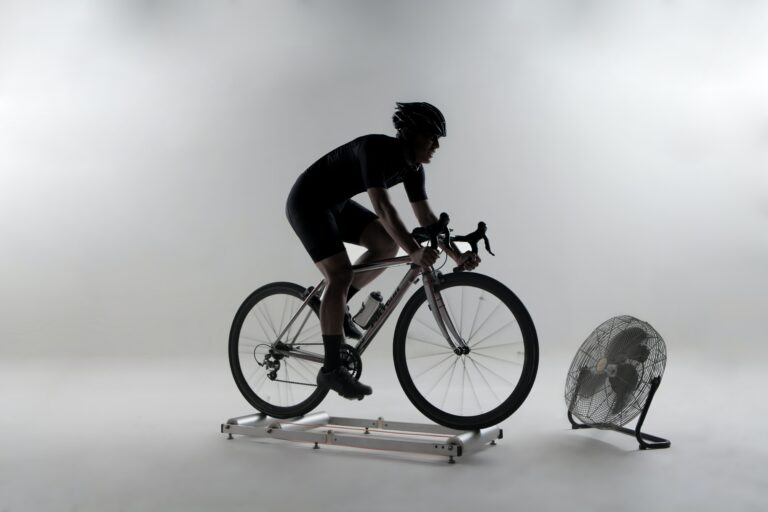
Used strategically, riding inside can be a beneficial way to keep motivation high, effectively add intensity, and stave off winter training doldrums. With the help of Joe Friel, Dr. Stephen Seiler, and others, we explore all aspects of indoor cycling.
We revisit our favorite Fast Talk conversations from 2021 with a variety of fascinating guests.
The concept of base training has been a part of endurance training for decades. Laying a foundation of fitness early in the season sets the stage for success later on. With the help of Joe Friel, Dr. Stephen Seiler, and Dr. Andy Pruitt, we explore the how and why of this fundamental aspect of endurance training.
Dr. Stephen Seiler helps us explore the similarities and differences in physiology and training methodologies in running, cycling, cross-country skiing, and rowing.
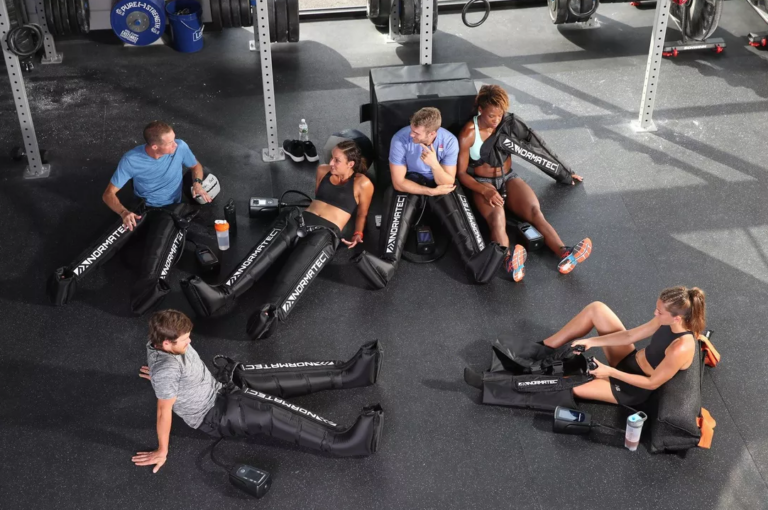
It’s often undervalued, and sometimes altogether ignored; but it shouldn’t be. Recovery from workouts is as important to the training process as the workouts themselves. With the help of Dr. Stephen Seiler, Dr. Shona Halson, Dr. Andy Pruitt, and many others, we examine this critical but often neglected component of exercise physiology.
Dr. Stephen Seiler and his daughter, an elite runner and sport science student, analyze bronze medalist Molly Seidel’s Olympic training.