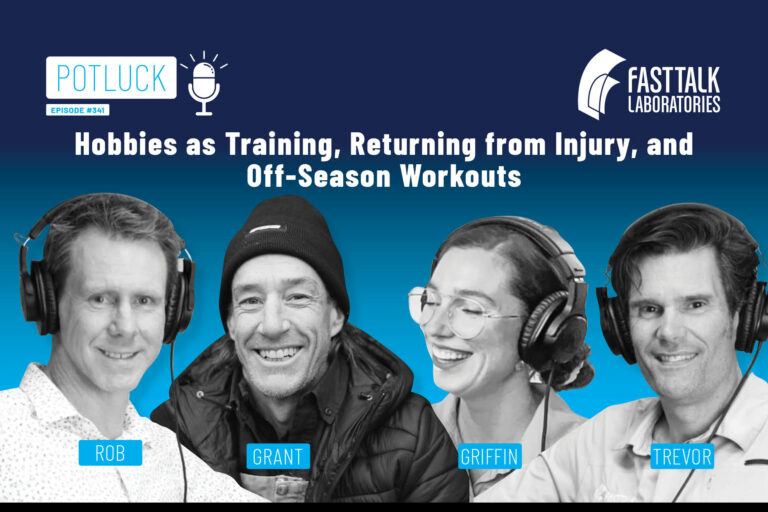
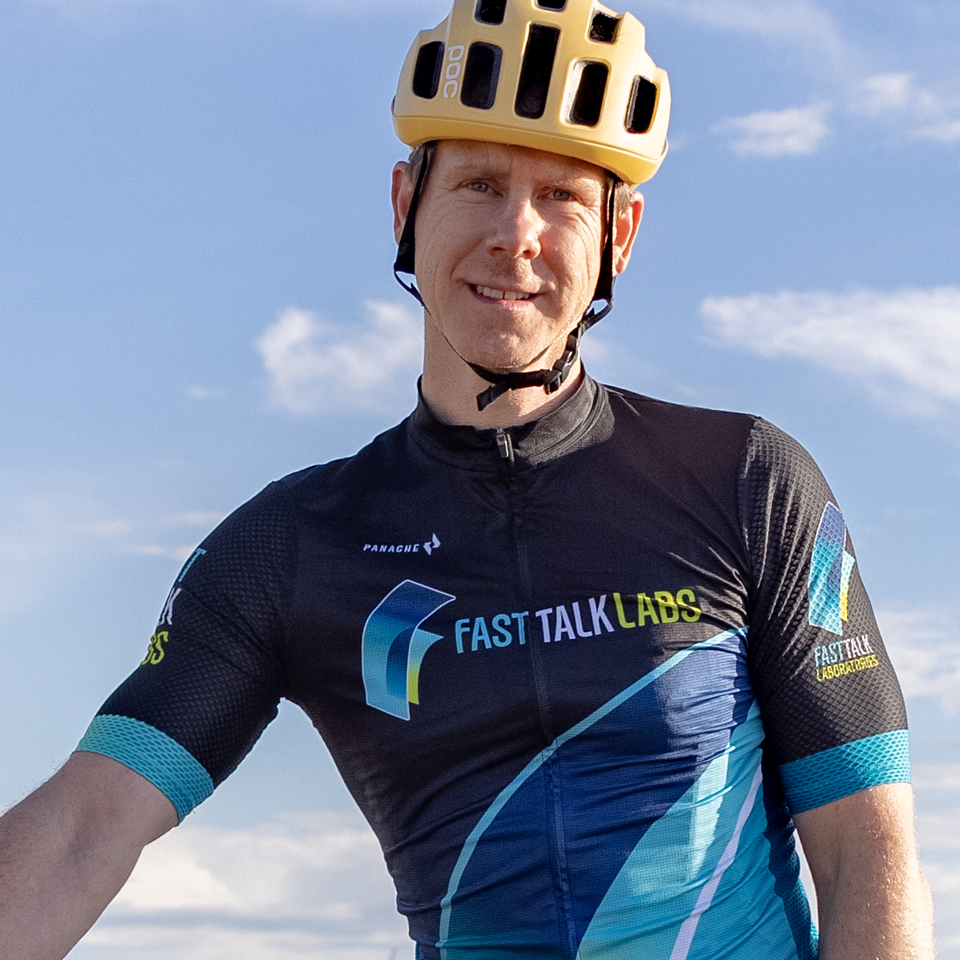
Rob Pickels is now coaching with Grant Holicky’s Forever Endurance, where he offers personalized coaching and monthly training planning services. Rob is now accepting masters athletes and juniors seeking off-road cycling training for mountain biking, gravel cycling, and cyclocross. Pickels is a Level 3 Certified USA Cycling Coach, holds a master’s degree in exercise physiology, and served as lead physiologist at the acclaimed Boulder Center for Sports Medicine and University of Colorado Sports Medicine and Performance Center before joining Pearl Izumi as director of product innovation. As a founding coach and Team Manager of Boulder Junior Cycling’s Elite Cyclocross Team, Pickels coached 10 junior athletes to USA Cycling Cyclocross National Championship podiums and 6 to worlds team selection. His interest in performance led him to both a bachelor’s and master’s degree in exercise physiology. He completed a biomechanics internship at the U.S. Olympic Training Center in Colorado Springs, Colorado. Rob grew up in New Hampshire and gravitated toward field sports. His propensity for running led him to track and field where he focused on the 110-meter and 400-meter hurdles. Throughout high school and college (Ithaca College), he held multiple school, state, and conference records. In graduate school at Montana State University, he dabbled in triathlon, before realizing cycling was his strength. Upon moving to Boulder and becoming the lead physiologist at the Boulder Center for Sports Medicine, he switched purely to cycling. He enjoys racing cyclocross, where his natural anaerobic ability can shine; and multi-day mountain bike races where his need for adventure can be fulfilled. He has published research in the journals “Medicine and Science in Sports and Exercise” and “International Journal of Physical Education, Fitness, and Sports.” He has written for various media titles and brands, including VeloNews, Bike Radar, Podium Runner, and Pearl Izumi.