
Q&A on Returning from Injury, Weight Management, and Fast-Twitch Fibers, with Renee Eastman
With the help of CTS coach Renee Eastman, we field questions on injury, the power of consistency, weight vs. power, and fast-twitch fibers.
Eating properly for the demands of endurance sports can be challenging. Without the right fuel, performance and recovery will be compromised. Learn how to master and implement a sports nutrition strategy that works for you, whether that’s during your workouts or races.
With the help of CTS coach Renee Eastman, we field questions on injury, the power of consistency, weight vs. power, and fast-twitch fibers.

Training and racing at elevation can have a significant impact on performance. We explore some ways to improve your preparation for races at altitude.

Exogenous ketones reached “super fuel” status in 2016. Since then, research hasn’t been so positive. We explore the potential benefits of supplementation with ketone esters.

Eating properly for the demands of endurance sports can be challenging, especially if you’re new to sport. We explore common misconceptions and pitfalls for the beginner endurance athlete.

If you decide to take supplements as an athlete, you need to understand as much as you can about healthy eating and your body. Supplement responsibly!
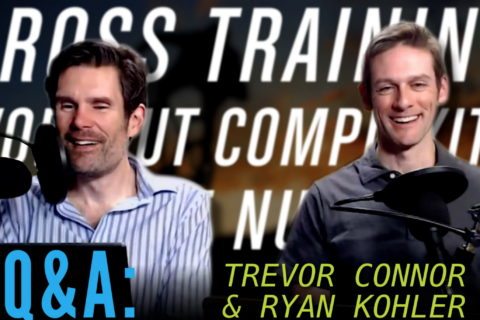
Ryan and Trevor tackle questions on how running can be used in the base season, recovery for time-crunched athletes, the complexity of workouts, pre-race meal planning, and much more.
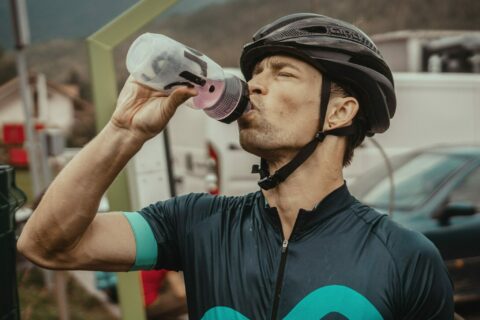
Few topics in endurance sports are more misunderstood and draw more ire than hydration and electrolyte sports drinks. Trevor Connor explores the biochemical mechanics to show what happens when we drink salty sports drinks.

Coaches Ryan Kohler and Trevor Connor discuss how to write out your nutrition plan, how to determine what nutrition will be available at aid stations, estimating nutrition needs between aid stations, and much more.

We sit down with sports nutrition expert Asker Jeukendrup to discuss potential performance gains from modifying carbohydrate load during training.

Coach and endurance mountain bike champ Daniel Matheny helps us field questions on coaching junior athletes, how aerobic capacity is impacted by intensity, PVCs, and much more.

Coaches Ryan Kohler and Trevor Connor dive deeper into specific nutrition metrics for a race, exploring research about race-day nutrition for the Leadville Trail 100 MTB.

Ryan and Trevor field questions on max heart rate, TSS, recovery in athletes who only train 8-10 hours per week, protein consumption during ultra-endurance events, and more.

Data has its benefits, but only when we learn to apply an intuitive approach to our fueling can we unlock the most efficient and healthy sports nutrition habits.

Ryan, Trevor, and Chris field questions on nutrition, strength training at home, the Hour Record, plyometrics, and more.

Ryan Kohler and Trevor Connor discuss some of the major myths and misconceptions in endurance sports nutrition.

Are you a good nutrition student? By using a gap analysis, you can create a personalized nutrition plan.
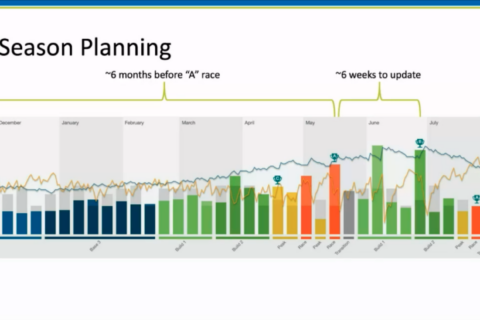
The best cyclists know that race-day nutrition must be planned—quantity, types of food, and timing that will best fuel your body for best performance.

Carbohydrates, fats, and proteins are the fuels that power human performance and recovery. And water is a critical piece of the puzzle.