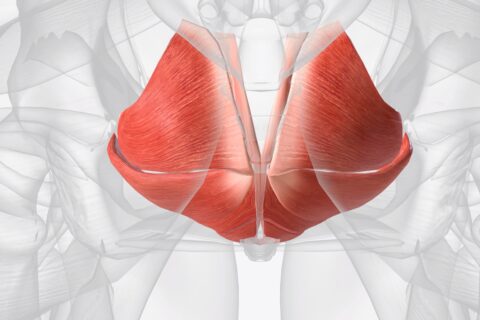
Pelvic Floor Dysfunction in Male Endurance Athletes
The repetitive motion of most endurance sports exposes the body to overuse injuries and imbalances, particularly within the often ignored pelvic floor.
Injuries are nearly inevitable in endurance sports. Whether caused by overuse, strength imbalances, or crashes and falls, a proper understanding of the injury, the best treatment options, and the timeline to return to full strength can help manage expectations during what can be challenging times.
Need more help with your recovery? Talk with our coaches.
The repetitive motion of most endurance sports exposes the body to overuse injuries and imbalances, particularly within the often ignored pelvic floor.

We discuss how to find solutions when you’re dealing with injuries without an obvious cause, then we review new research that demonstrates that changes in progesterone, estrogen, and testosterone do not negatively impact performance in males or females.
Our host regulars discuss when an unplanned activity—such as commuting—becomes training, how to adjust for an event when returning from injury, and what training to do in the off season.
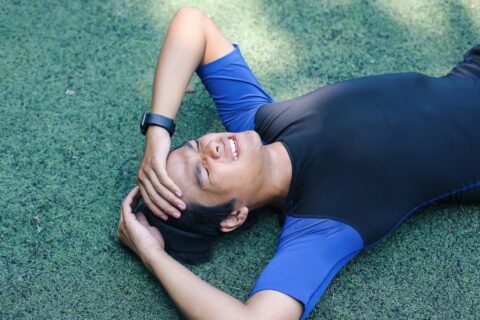
When it comes to concussions, a slow and steady recovery is the fastest way back to athletic performance.
Whether you’re a participant, event organizer, or volunteer, keep in mind Murphy’s Law – anything that can go wrong could (or will) go wrong. When one or more athletes are injured, you need to know what to do. We talk with Dr. Andy Pruitt about how to ensure the best outcomes.

Ensuring athletes are properly fueled will do better for their performance than trying to hit a number on a scale.
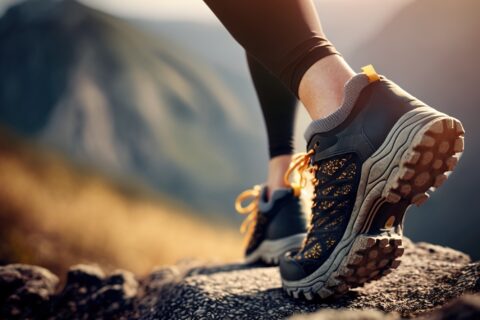
Chronic heel pain can plague many athletes. With the help of a few therapeutic movements and treatments, you can try to relieve your plantar fasciitis symptoms.

Learn the importance of maintaining a balanced approach to sports to avoid burnout and injury from someone who conquered it themselves, pro cyclist Shayna Powless.
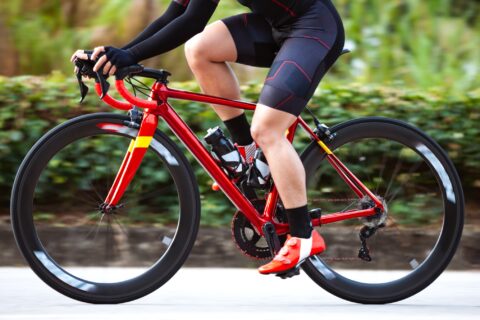
There’s conflicting and inconclusive evidence on how to properly treat IT band syndrome. We break down some of these common treatments so you can get back to your sport better than before.
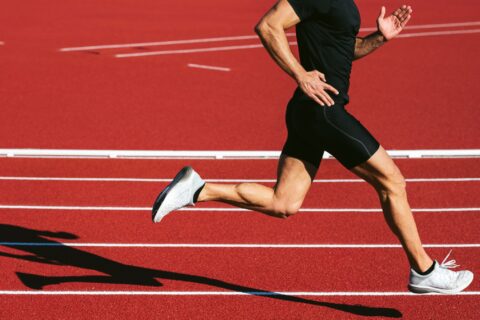
Increasing your mileage may also lead to an increase in knee pain. Learn about runner’s knee and how you can alleviate your pain at home.

All athletes fear the injury that takes years to recover from or permanently changes their lives. We talk with several experts on how to manage serious injury and find yourself again.
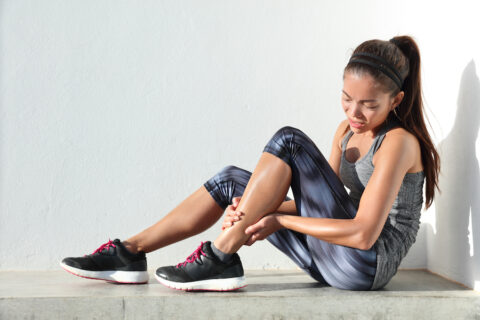
Pain is part of the privilege of endurance sports. It’s how you know you’re pushing your limits. But how do you know when it’s really time to stop? We ask a PT for her advice.
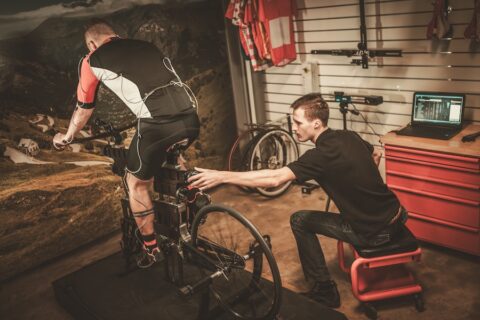
They’re far more common than you think—and knowing how to improve leg length discrepancies can be vital to enjoyment and performance.

Dr. Andy Pruitt answers questions about back pain, knee issues with increased training, numbness and pain where we sit, and how much we can still adapt as we age.

Dr. Andy Pruitt and Betsy Welch hold a frank discussion about saddle sores, sexual dysfunction, and other female-specific saddle/chamois pathologies, addressing both preventative measures and potential long-term consequences.
Saddle sores, numbness, and erectile dysfunction are just a few of the issues that can hamper male cyclists. Dr. Andy Pruitt details how to avoid these and other cycling saddle problems.
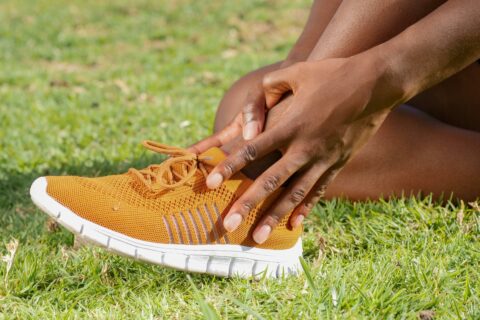
With the help of CTS coach Renee Eastman, we field questions on injury, the power of consistency, weight vs. power, and fast-twitch fibers.
Because the knee is caught between the hip and the foot, it often bears the brunt of biomechanical pedaling forces, which leads to injuries. Dr. Andy Pruitt explains why.