Race-Day Readiness
In this video, Joe Friel discusses how best to bring an athlete to form by striking the right balance between fitness and fatigue. It can be a fine line—and will be different for every athlete.
To optimize performance, it’s as important to train your psychology as it is to train your physiology. Understanding how to deal with issues such as anxiety, confidence, and resilience using tools like self-talk and mindfulness will make you a more complete athlete.
In this video, Joe Friel discusses how best to bring an athlete to form by striking the right balance between fitness and fatigue. It can be a fine line—and will be different for every athlete.
Joe Friel talks with four-time world champion triathlete turned coach Julie Dibens about how we can use failure and disappointment as an opportunity for growth.
Every coach will be involved in athletic performances that fall short of expectations, leaving both the coach and the athlete dissatisfied. What is the best way to handle these situations?
Our hosts continue their potluck discussion and talk about what’s the ideal mental state for performance, whether we should be consistent with our intervals or not, and why failure is so important for an athlete to experience.
The very best athletes are as strong mentally as they are physically. In the Sport Psychology Pathway from Fast Talk Labs, we explore how to build mental skills with experts like Dr. Simon Marshall, Julie Emmerman, Grant Holicky, Lesley Paterson, and Julie Young.
When Trevor Connor was racing against the pros, he got the idea of keeping a “success list” from a top athlete. As his list grew, it turned into a book that he took with him to every race.
Joe Friel describes a time when his coaching method and philosophy were put to the test—and how he recognized the challenge and refined his approach.
Coach Julie Young explores the science, mental skills, and strategies that help us manage the stress of racing.
We’re joined by coach and athlete Julie Young who helps us field questions on how to build an annual training plan, coping with race stress, and overcoming body image issues.
We revisit our favorite Fast Talk conversations from 2021 with a variety of fascinating guests.
Knowing how a race or workout feels—aka RPE—is an extremely important sense for endurance athletes. With the help of top cycling coaches, athletes, and researchers, we explore why RPE may be more important than power, heart rate, and other metrics.
Hard to define and often difficult to recognize, burnout is not only a mental struggle, it can also have physical symptoms. We explore the causes and consequences of burnout, and ways to keep the flame alive.
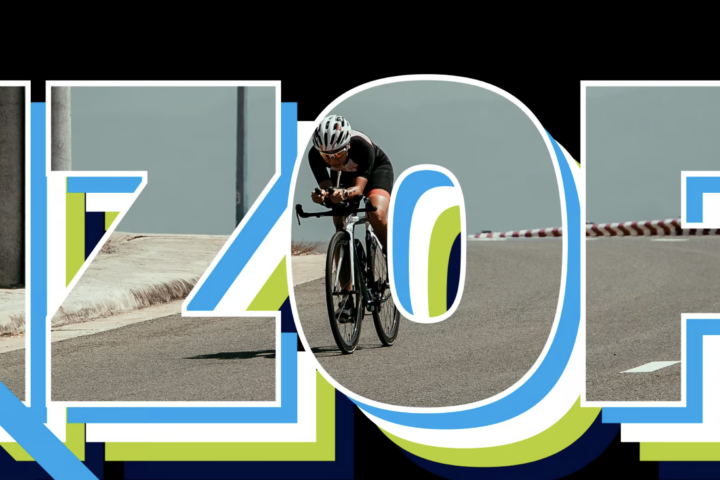
Every athlete has a personal IZOF. Coach Grant Holicky shares the concept and explores how to determine your IZOF. Then he shares why knowing your IZOF is helpful and how you can recreate your IZOF on demand.
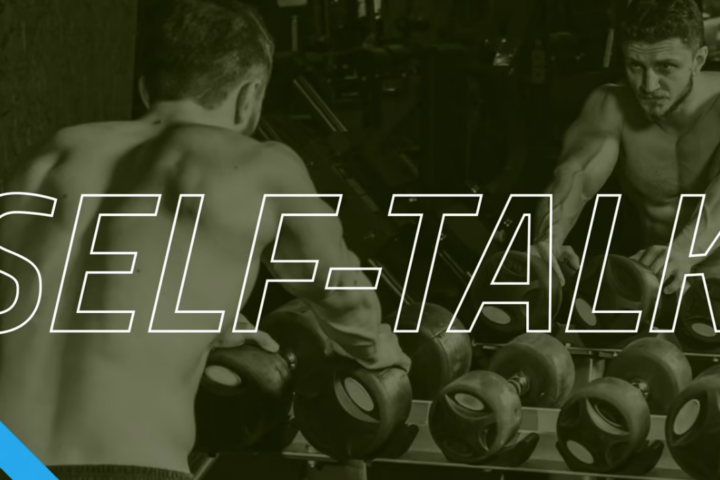
Coach Grant Holicky explores the concept of self-talk, how to use it effectively and consistently, and how it can help performance and health.
Coach Grant Holicky details the concept of mindfulness, how to attain it, and how it can help performance.
Coach Rebecca Gross of 3six0 Performance helps us field questions on polarized training, closing out your season, if you can “ruin” workouts, spin classes, and more.
The RPE scale is often overlooked in a world of power meters and heart-rate straps. Dr. Stephen Cheung explains how and why you can use RPE to improve your training, even if you collect data.
Is it better to focus on one big race a year, or have several targets? Is performance or process more important when it comes to goal setting? Two Olympians help us tackle these complex questions.