
How to Create a Race-Day Sports Nutrition Plan, Part 2
Coaches Ryan Kohler and Trevor Connor dive deeper into specific nutrition metrics for a race, exploring research about race-day nutrition for the Leadville Trail 100 MTB.

Coaches Ryan Kohler and Trevor Connor dive deeper into specific nutrition metrics for a race, exploring research about race-day nutrition for the Leadville Trail 100 MTB.
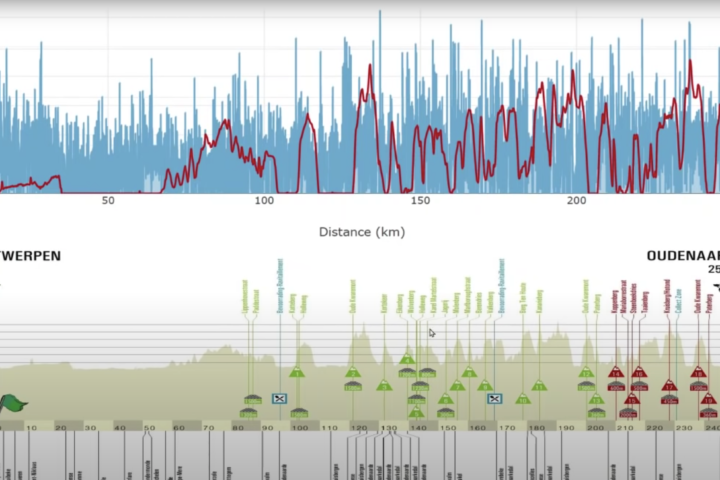
Crunching numbers is one thing, but if you want to turn data into victory, here are a few key things you should do and a few things to avoid.

Scott Moninger is a crafty all-rounder with nearly 400 wins. He and Colby swap tales and talk about coaching.
Dr. Stephen Seiler speaks at the Aspire Academy on why and how to monitor athlete training loads.
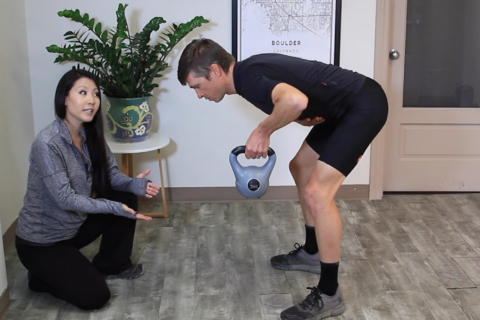
Strength and conditioning coach Jess Elliott walks through a multi-planar approach to strength to build stability, efficiency, and resilience.

Ryan and Trevor field questions on max heart rate, TSS, recovery in athletes who only train 8-10 hours per week, protein consumption during ultra-endurance events, and more.
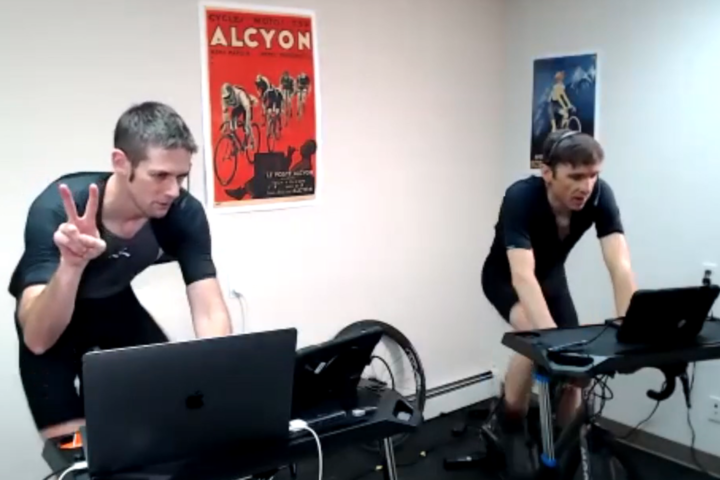
Control heart rate and manage your effort with a focus on breathing and cadence. This workout builds on the previous weeks of tempo and lower cadence riding.

Pro mountain biker and coach Hannah Finchamp helps us field questions on time-crunched training, zone 1, interval design, and more.

Data has its benefits, but only when we learn to apply an intuitive approach to our fueling can we unlock the most efficient and healthy sports nutrition habits.

When you sit on a bike saddle, that’s a lot of weight on a very small surface area, the weight of the torso, the way the helmet, the weight of the upper body, the arms, it’s all focused into this relatively small point, and then we’re going to add friction, and that’s generated by the movement of the legs, where the motion of pedaling becomes focused into a very small area.
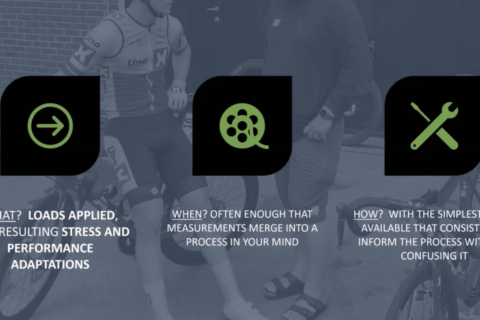
Dr. Seiler shares his method for monitoring an athlete’s training volume and intensity.

We bring you our favorite conversations with exceptional guests from the worlds of physiology, medicine, nutrition, sports psychology, and, of course, cycling.
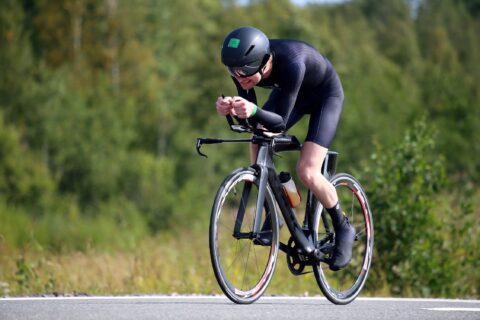
There is no lactic acid in the human body. That said, the burn we feel during hard efforts has a lot to do with acid.

Coach Ryan Kohler and Coach Trevor Connor dissect training data to help you understand how to look for signs of freshness before any interval session.
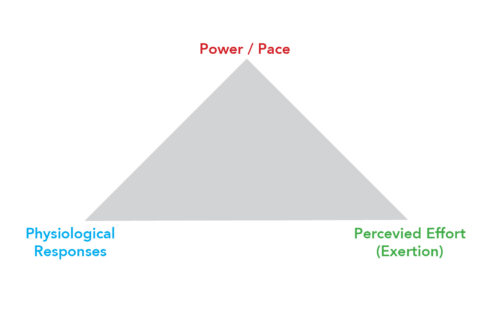
Dr. Stephen Seiler shares the “holy trinity” of training feedback in this live presentation at a rowing conference.

Ryan, Trevor, and Chris field questions on nutrition, strength training at home, the Hour Record, plyometrics, and more.

Yoga is much more than fancy stretching or breathing techniques—it can be a powerful tool to aid health and performance.
These low-cadence tempo intervals allow us to work on technique, focus on force production at the pedals, and improve muscular endurance.