
The Fast Talk Labs Guide to Thriving During the Holidays
Training at this time of year can be tricky. We’re here to help you with our top 10 tips for success during the off-season.
Training at this time of year can be tricky. We’re here to help you with our top 10 tips for success during the off-season.
The former pro triathlete and managing editor of Triathlete joins the podcast and talks with us about what brought her to Fast Talk Labs.

We live in an era of data overload, so knowing how to interpret that data is key. Alan Couzens talks with us about how neural networks might be the answer.
Coach Lauren Vallee talks with us about how cyclists and runners can incorporate the other sport into their training, not only to improve health, but to increase their performance.

USA Cycling’s head of coach development joins us to answer questions about training, coaching, why young riders are winning Grand Tours, and plenty more.
In this week’s show, we talk about whether gravel racing can save North American racing, if adding a Zwift race to your interval work is still good training, and techniques our hosts use to keep in balance.

Whether you’re a roadie, a mountain biker or a triathlete, the unique demands of cyclocross mean it can make you better at your preferred discipline. On this week’s show we chat with cyclocross experts Grant Holicky and Stephen Hyde about the many benefits of ‘cross.

Physiologist Rob Pickels nerds out with Trevor Connor on four recent studies that span a wide range of topics, from the benefits of percussive massagers for strength work to the impact of pregnancy on elite runners. Tune in to find out more.

Neuroscience isn’t an exciting term, but it can be one of the most important factors in how well our muscles perform. We talk about this fascinating connection between mind and body with Dr. Scott Frey.

We have a wide range of odd and interesting topics for you in this week’s show.
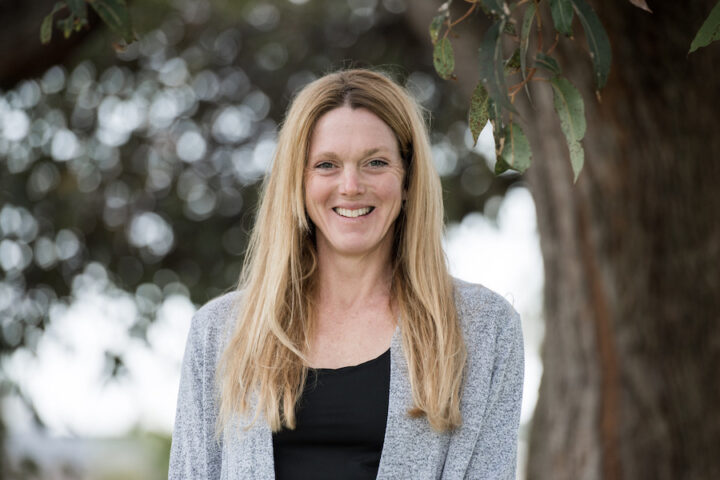
Dr. Stacy Sims shares ways coaches and female athletes can adapt training to harness female physiology throughout their athletic lives.

Dr. Stephen Seiler explains why polarized training is a winning strategy for the long game of endurance sports. By balancing the stress of training, athletes see bigger gains over time.
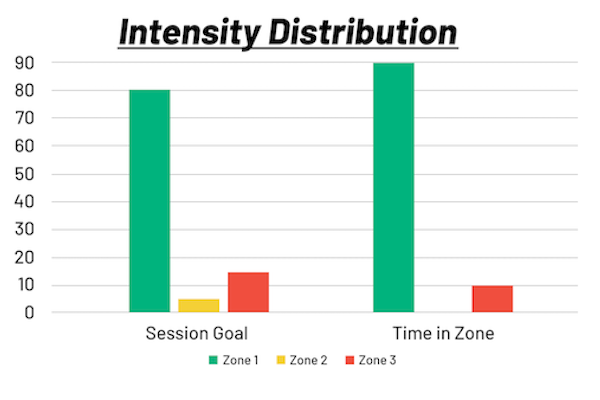
Is 80/20 really the best mix of intensities? And what’s the best way to categorize training? Dr. Seiler has a simple method to get you started.
It can be very easy to train at a moderate intensity all the time, which can be a surefire way to land in an overreached state. Polarized training can help prevent that—and in this video, Dr. Seiler explains how.
Scientists have worked closely with athletes and coaches to define the polarized model and explain how it works. Who leads the way? Dr. Seiler talks about the scientific process playing out in valuable ways in both research and the real world.

In collaboration with Dr. Stephen Seiler, the “father of polarized training,” we have curated everything you need to know about the 80/20 training method.
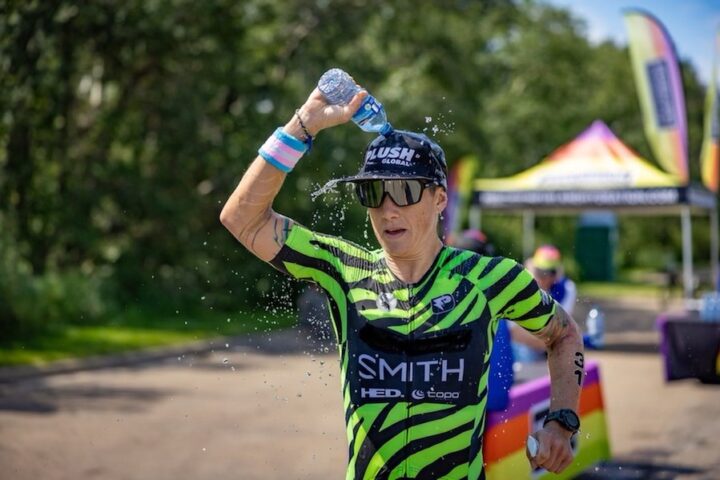
How do you reach the podium in not one sport, but three—and all in the same season? We chat with McBride and their coach, Mateo Mercur, to find out more.

In this week’s show, we talk about marginal gains in the Tour, how best to approach training races, and what to do if you encounter an emergency mid-ride.