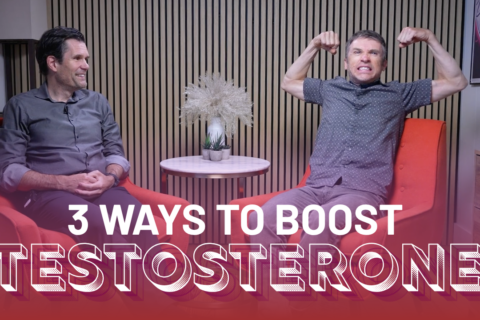
3 Ways to Boost Testosterone
In this video we break down three science-backed ways athletes can naturally support healthy testosterone levels: better sleep, proper nutrition, and resistance training.
If you want to participate in endurance sports for years to come, you need to make strength training and conditioning a part of your routine, throughout the season.
Learn how functional training, including strength training, core strength, and mobility, can help you avoid injuries and improve performance.
Need more help with strength training? Talk with our coaches.
In this video we break down three science-backed ways athletes can naturally support healthy testosterone levels: better sleep, proper nutrition, and resistance training.
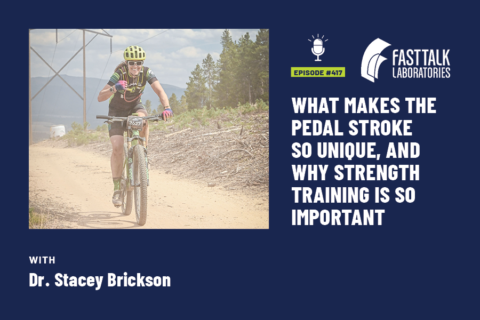
Functional training expert Dr. Stacey Brickson joins us to explain why no other sport movement is like the pedal stroke and, more importantly, why that requires doing additional strength work.

Two new studies challenge common assumptions: intensity may matter more than volume for healthy aging, and triathlete injury patterns aren’t what most coaches would predict. We unpack what this means for training prescription, and why neuromuscular and strength work belong in every plan.

Strength training for endurance athletes is one of the most powerful ways to improve performance. This course shows coaches how to recognize common strength imbalances, design year-round programs, and recommend functional strength work.

In this popular high-intensity fitness test, we explore the strength and endurance attributes that matter most, and how you can prepare for competition.

Doing more sprint work and cadence drills on your rides could lead to substantial performance gains.
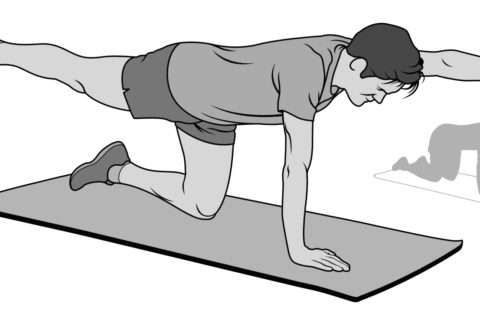
The importance of a strong core for athletic performance can’t be overstated. Trevor Connor details the various benefits of a strong core, and the disadvantages of a weak one.

Understanding when and how to introduce HIIT can make all the difference in an athlete’s ability to absorb training and optimize performance.

In part 3 of our series on movement literacy for cyclists, Dr. Stacey Brickson delves into stability and strength to make you a healthier cyclist.
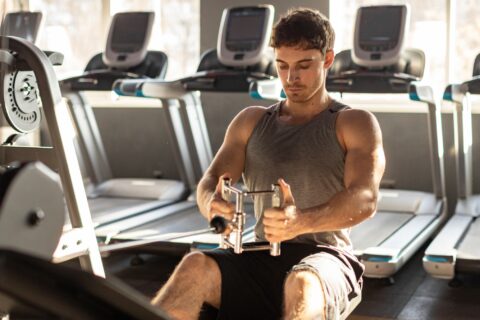
Endurance athletes of all disciplines can benefit from a regular full-body strength routine.
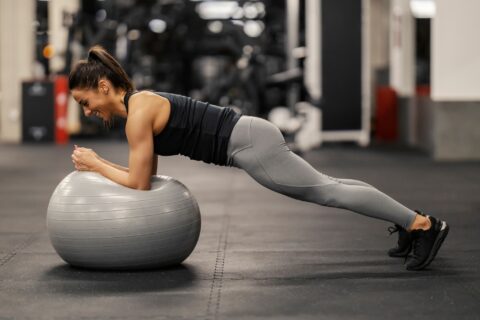
Runners and cyclists can work on this circuit year-round to create a stable platform to drive force into the foot strike or pedal. Just like other aspects of training, consistency over time will pay off.

These moves can reduce the risk of injury while improving upper-body and core muscular strength and endurance.

Not all squats are created equal. Learn if and when you should you be shooting for that “a** to grass” range of motion and follow this lower extremity mobility routine to improve the safety and depth of your squat.

Whether you’re a runner, triathlete, or cyclist, this workout is great to maintain fitness in the off season.
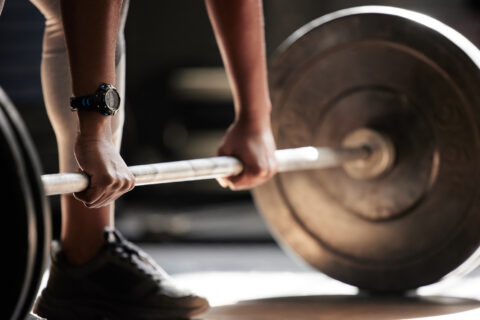
There are numerous exercises that can be used to strengthen the posterior chain. Here we’ll focus on three key movements.

Fall and winter should be a time for building mobility and resilience, and a simple strength routine can help us maintain or reestablish proper movement patterns and durability.

A 2023 study claims cycling can cause significant bone density loss in as little as a year. Is there more to the story?

Perform these moves to strengthen the muscles around your ankle and support your ligaments when on rocky trails and uneven ground.