
Why Balance and Timing Are the Secrets to Peak Performance
Is more better? We explore how our bodies adapt to training and why the right amount of stress at the right times is a far better way to train than going hard all the time.
A good training plan can make or break your season, and creating a good training plan starts with your goals and your strategy. Our coaches and experts can show you how to set achievable goals, create a complementary training approach, and design your own training plan that’s adjustable throughout the season.
Need more help with your training? Talk with our coaches.
Is more better? We explore how our bodies adapt to training and why the right amount of stress at the right times is a far better way to train than going hard all the time.

Anyone can make a training plan. But a good coach knows how to plan a season that unlocks an athlete’s true potential. Joe Friel is joined by a full line-up of master coaches in this module that will expand your thinking.
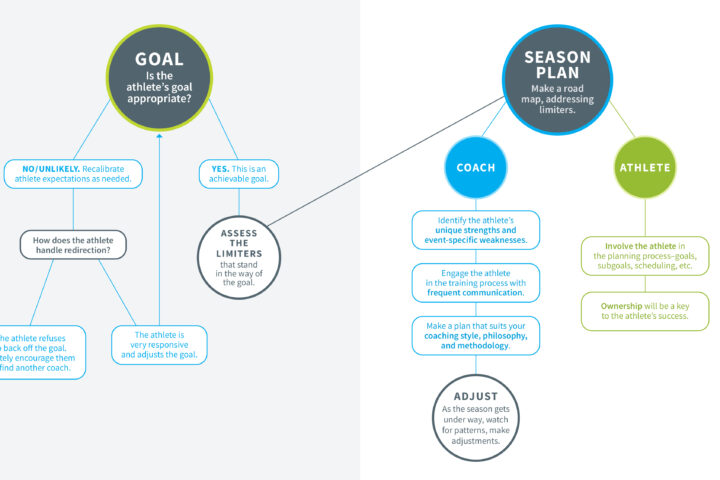
Goal assessment and season planning are two details you must attend to in taking on a new athlete.
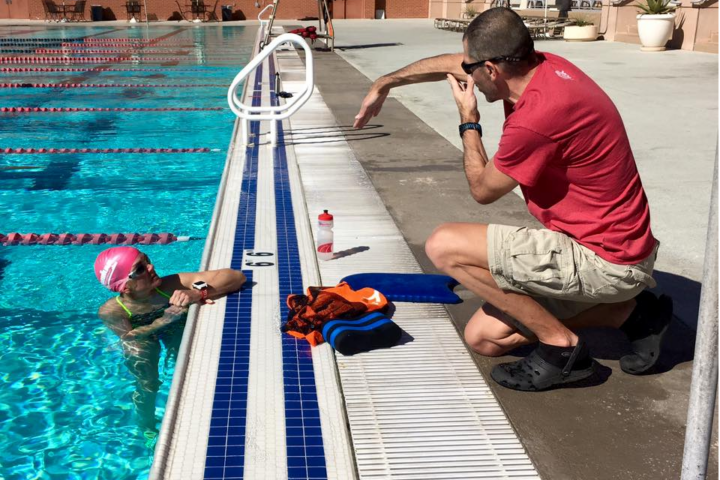
Athletes often underestimate the amount of fitness that they lose in tapering for, and recovery from, excessively frequent racing. This is especially true in Mary’s case where she is looking to make a significant jump in training load in order to properly prepare for the Ironman distance.

A young, ambitious triathlete with limited race experience reaches out to Coach Andy Kirkland for help in making it to the Olympic Games in 2024.

Dr. Andy Kirkland outlines what it will take for an aspiring young triathlete to go pro, illuminating a biopsychosocial approach to season planning.
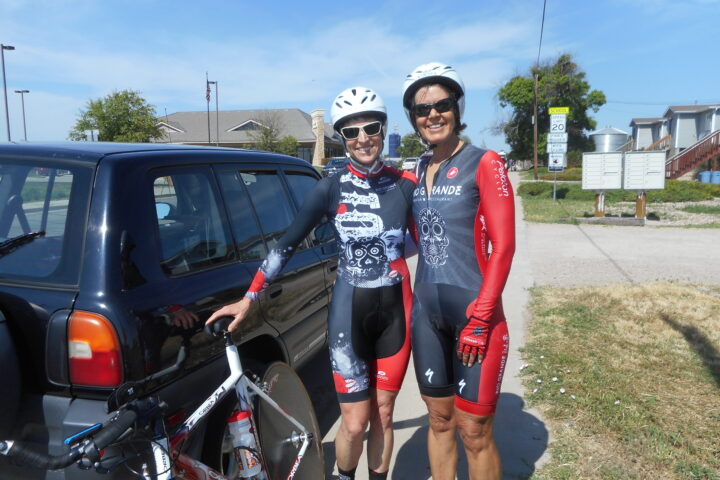
Coach Trevor Connor reflects on his work with a masters cyclist with big hopes for Nationals. Find out more about her athletic history and lifestyle in the lead-up to the racing season.
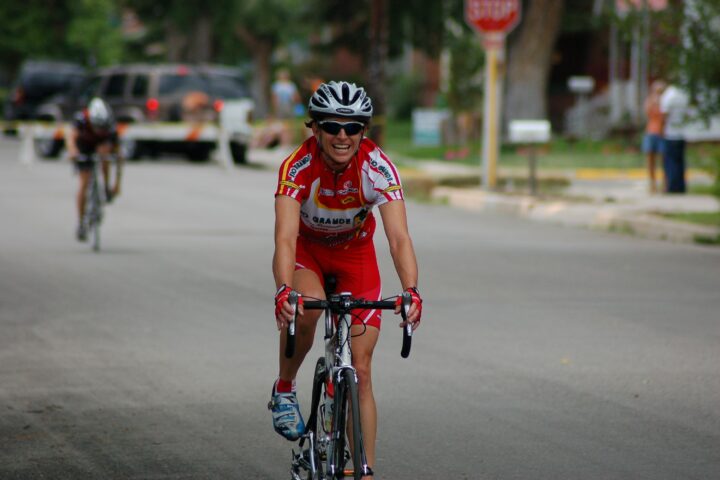
Coach Trevor Connor presents the season plan he created for Cynthia, a female masters athlete based in Colorado. Connor’s plan includes the training detail for the final weeks leading up to Nationals.
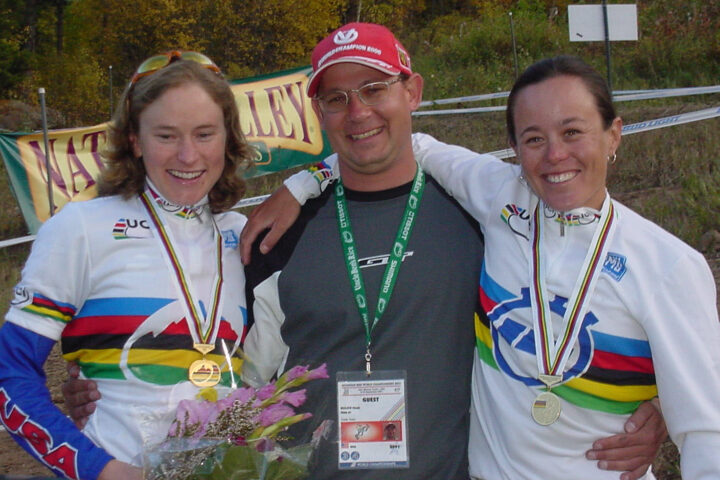
The principles of block training can be applied across endurance sports, whether the athlete is elite or amateur. The biggest difference is that elite or pro athletes have more time to train.

Joe Friel explores the development of annual training plans, short-term plans, and matters beyond sport-specific workouts.

The concept of base training has been a part of endurance training for decades. Laying a foundation of fitness early in the season sets the stage for success later on. With the help of Joe Friel, Dr. Stephen Seiler, and Dr. Andy Pruitt, we explore the how and why of this fundamental aspect of endurance training.
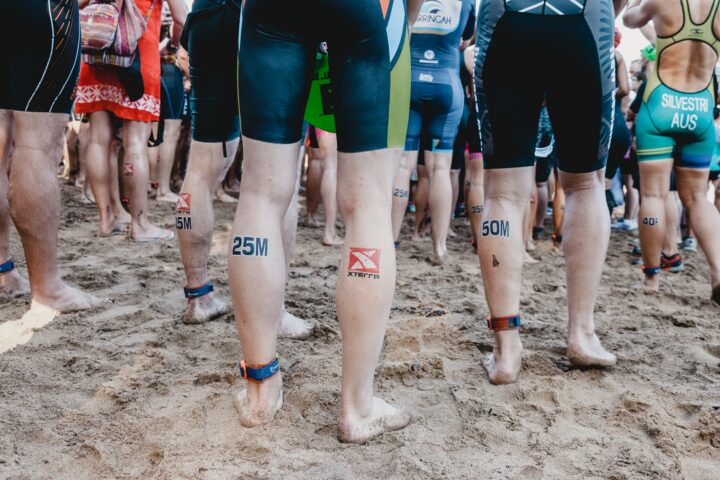
If you’re new to triathlon, equal training among the three sports may be all you need. But for advanced athletes, a more sophisticated approach involves unequal distribution between the disciplines.
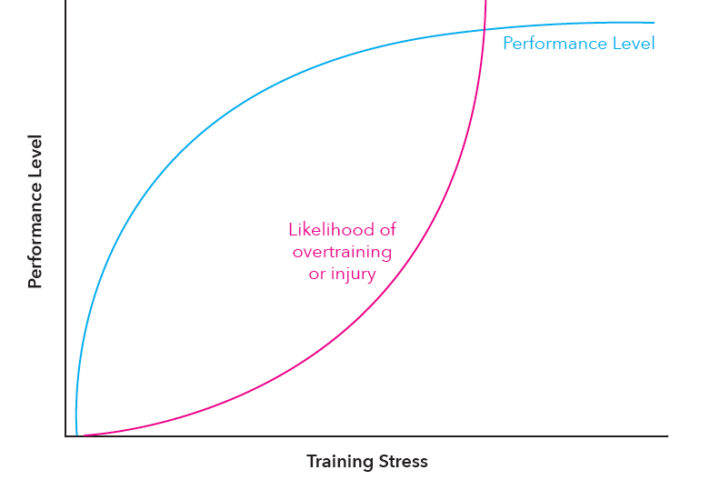
Eighty percent of what you need to know about endurance training can be illustrated by a simple graph. Coach Connor and his mentor Glenn Swan explore this simple concept.
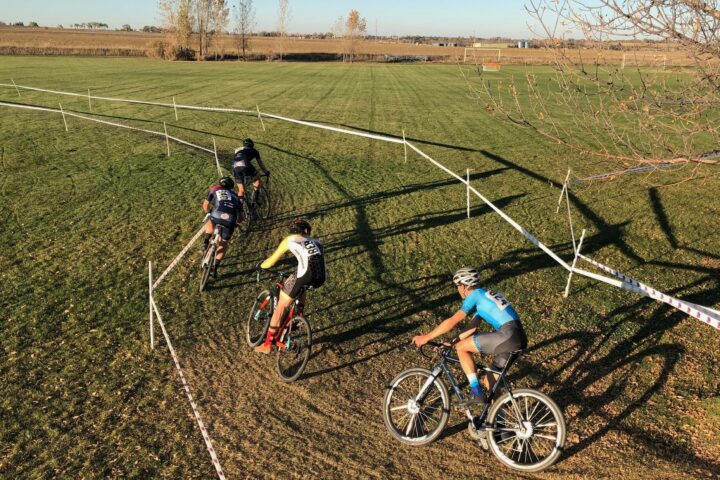
Coach Alec Donahue of Cycle-Smart helps us answer questions about training zones, cyclocross, weekly planning, and alcohol.
Coach Trevor Connor details how to apply the polarized training method and distribute intensity across your entire season.
Coaches Ryan Kohler and Trevor Connor discuss tips, tricks, and the underlying principles to help you design a training camp.
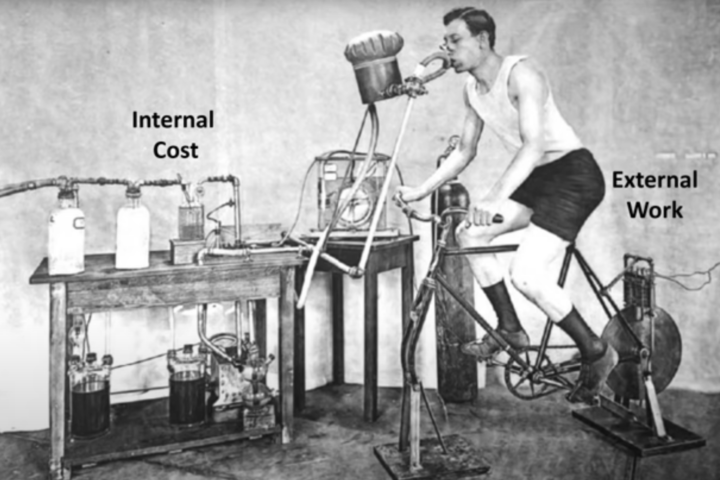
Exercise physiologist Dr. Stephen Seiler walks through five steps for turning polarized training into a more personalized approach.
Just because you have limited time doesn’t mean you can’t create a training plan that involves an overload stimulus. We show you how.