Q&A on Training Grit, Psychological Tricks to Beat Fatigue, and Stage Racing, with Grant Holicky
We address questions on how to train grit for race situations, if you can safely override the central governor, and training for a five-day stage race.
We address questions on how to train grit for race situations, if you can safely override the central governor, and training for a five-day stage race.
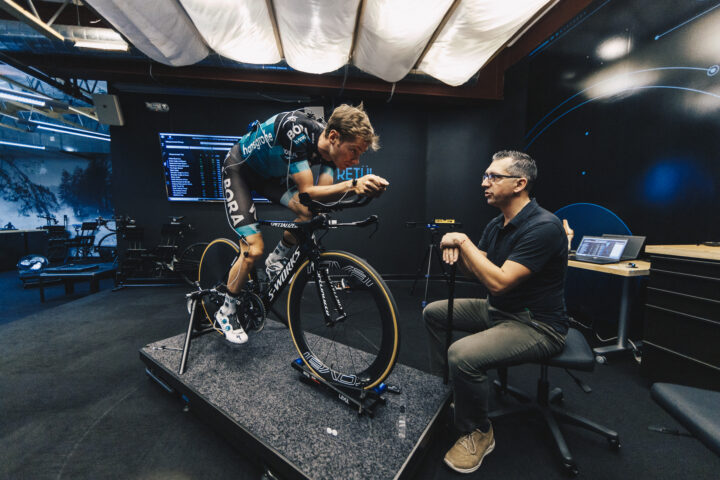
We delve into the strengths and potential pitfalls of using comparative data as we discuss the how technology can be used to help fitters make decisions during their fit process.
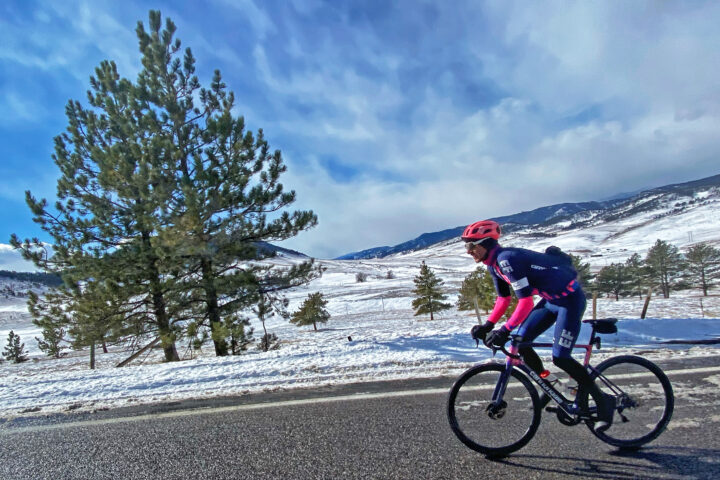
We explore how athletes can evolve and find more fulfillment from their sport with pro cyclist Lachlan Morton
Differing opinions on fit.
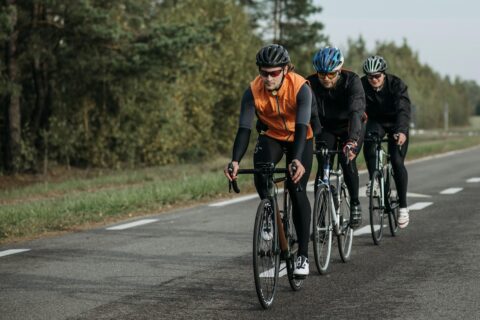
We review four recent studies from the scientific literature, addressing the hypotheses, methods, and conclusions of each to give you a greater understanding of the latest findings in endurance research.
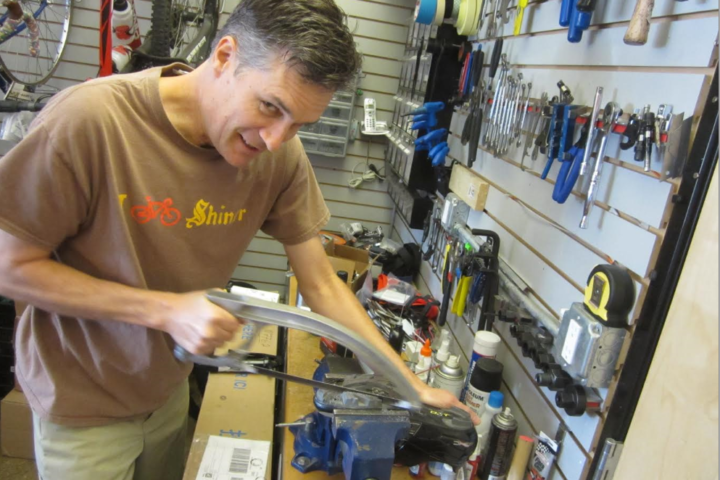
We dork out on bike fitting and get honest about mistakes.
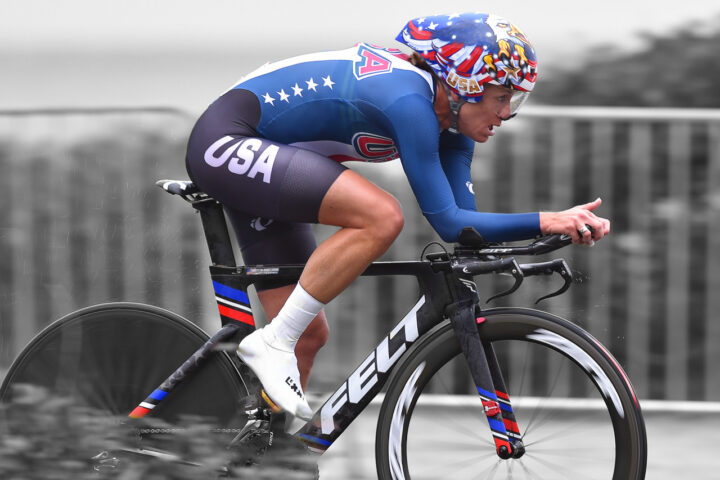
We break down every aspect of the time trial: part performance art and part crucible for athletic and scientific experimentation.

If you decide to take supplements as an athlete, you need to understand as much as you can about healthy eating and your body. Supplement responsibly!

In an age when athletes often focus on the specifics, we address the importance of focusing on the fundamentals: training, recovery, and functioning gear—the things that will bring you the greatest return for your investment of time, sweat, and energy.

Gluten is bad news for your body. What, exactly, are the long-term effects and why?

Age is just a number. Few athletes know that better than Rebecca Rusch, who joins us to discuss how to adapt and perform at the highest levels of sport as you age.

Learn how to reframe your mindset about training. Let’s throw away outdated athletic goals in terms of “climbing mountains.” Rather, think about your athletic journey as an orbital path with your Dream, Goal, or Objective at one point, three-quarters of the way around the orbit.
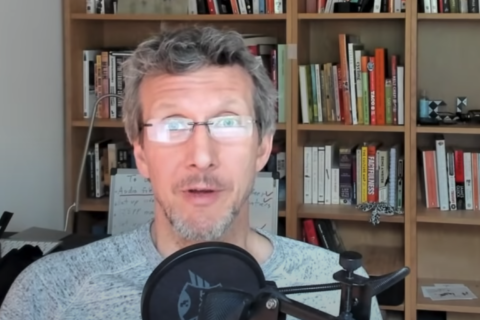
In this video, Dr. Seiler thinks out loud—with math—to explore how critical power and variable intensity races might connect in practice.
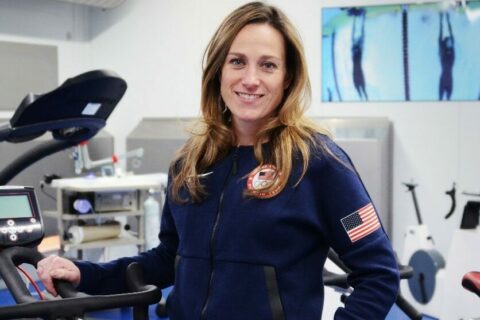
Physiologist Lindsay Golich, who works with some of America’s best Olympic athletes, helps us field questions on heat, altitude, FTP testing, fasted training, and much more.
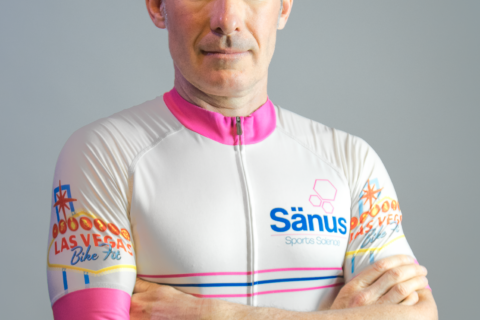
Greg Choat, cycling coach and bike fitter, discusses his work helping a human body fit seamlessly onto a carbon or metal frame.

We sit down with sports nutrition expert Asker Jeukendrup to discuss potential performance gains from modifying carbohydrate load during training.
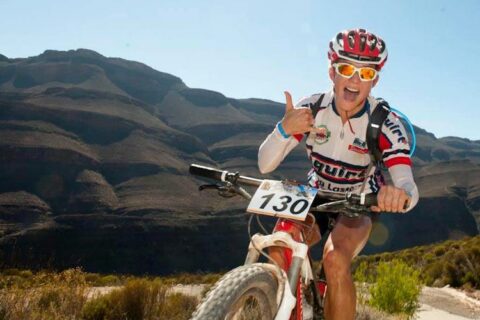
Evolution as an athlete is something that will come if you stay active for long enough. Navigating those changes can be a challenge, but athletes like Jessi Stensland seem only to improve with their years.
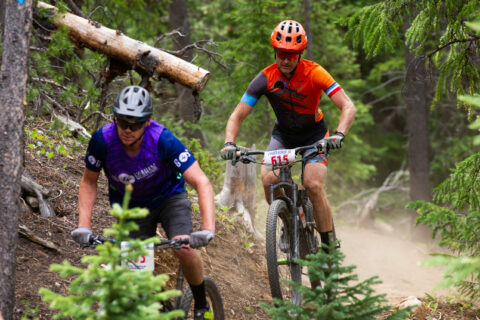
Coach and endurance mountain bike champ Daniel Matheny helps us field questions on coaching junior athletes, how aerobic capacity is impacted by intensity, PVCs, and much more.