Training Metrics
Joe Friel provides an overview of the key training metrics that help coaches quantify training load and plan for performance.
Joe Friel provides an overview of the key training metrics that help coaches quantify training load and plan for performance.
Joe Friel explains the data that helps coaches plan athlete training load while also factoring in recovery.

Joe Friel addresses the problems that athletes most commonly face en route to their goals: training plateaus, inconsistent training or lack of motivation, inadequate sleep, and prioritizing performance at the expense of health.

There’s a fine line separating performance and athletic potential. This case study illustrates the real consequences of overtraining and how training load can be better managed to avoid the high-stakes gamble altogether.
In this video, Joe Friel discusses how best to bring an athlete to form by striking the right balance between fitness and fatigue. It can be a fine line—and will be different for every athlete.
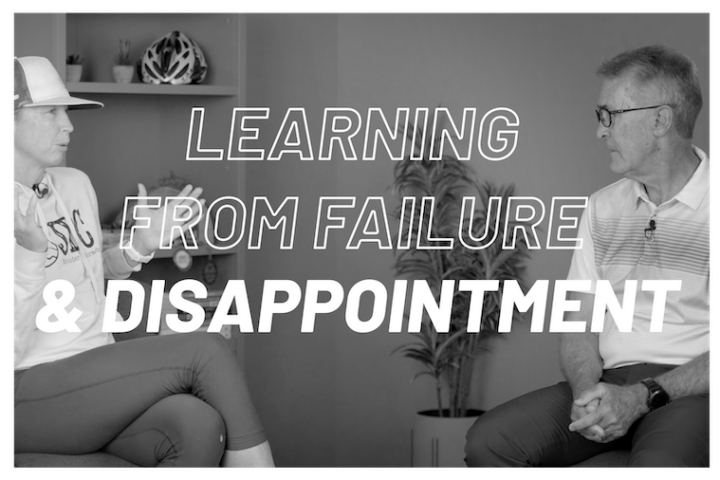
Joe Friel talks with four-time world champion triathlete turned coach Julie Dibens about how we can use failure and disappointment as an opportunity for growth.
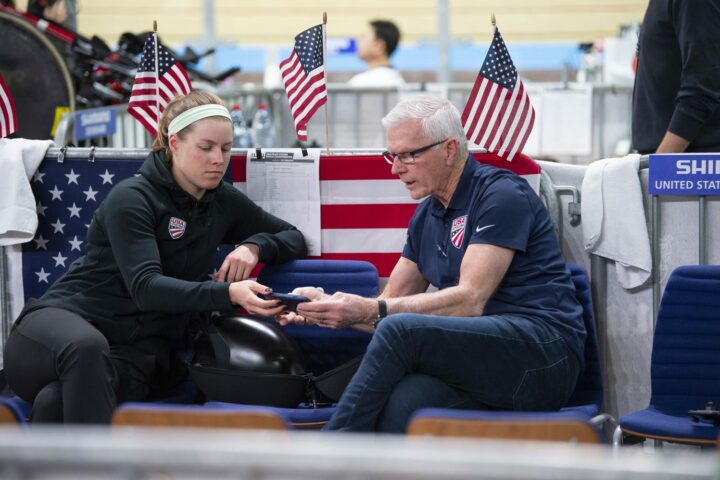
How you assess and analyze performance with your athletes can have a huge impact on their progress. Here’s our guide to ensuring that post-race debrief goes as smoothly as possible.

Every coach will be involved in athletic performances that fall short of expectations, leaving both the coach and the athlete dissatisfied. What is the best way to handle these situations?

Everyone wins when an athlete feels supported. In Module 5 from The Craft of Coaching, Joe Friel and his hand-picked experts share how to best manage athletes and add service providers to extend your coaching capabilities.

No one wants to “fire” an athlete. But there are times when the coach-athlete relationship is clearly not working. Coaches need to reflect on these difficult situations and athletes so they can identify problems before things get personal.
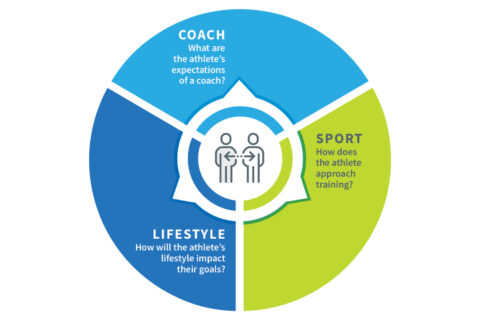
For the coach-athlete relationship to be successful, it must be rooted in trust, and trust is earned or compromised from Day 1. Begin any new client relationship with the end in mind.

Managing athletes requires time management skills. Coach Ryan Bolton balances the needs of his pro athletes, age groupers, and a team of coaches. He talks with Joe Friel about his screening process and the groundwork that goes into a positive athlete-coach relationship.

More coaches are seeking partnerships with outside experts to better meet the needs of their athletes. Find out how these partnerships work best, giving even the “maverick” coach a competitive advantage.
With more ways to deliver individualized training, coaches are well-positioned to reach more athletes.

Many coaches are happy to focus their energy on coaching, not running a business. Some coaches choose to outsource specific tasks through business services.

Coaches ask their questions during this recording of a live Q&A with coach Joe Friel. This event covered many topics including the business of coaching, motivating athletes, helping athletes reach difficult goals, and how to help athletes balance life and training.
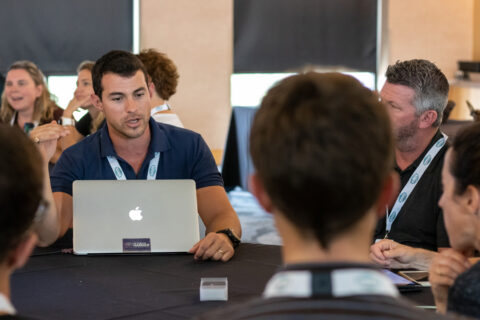
Find out how successful coaches navigated the challenges of getting started, becoming profitable, marketing for growth, and building a team into long-lasting businesses.

Joe Friel explores the pros and cons of different options available to coaches, both online or face-to-face. Consider the quality of the service you deliver, the time investment, what it’s worth, and the level of expertise required.