When Lighter Isn’t Faster
Former elite distance runner Siren Seiler-Viken exposes the truth about focusing on light racing weight: performances will suffer and health will deteriorate.
Physical therapist Carol Passarelli reveals the truth about “tight upper traps” in cyclists, what the usual causes are, and how to fix neck pain.
These are the activities you can expect to be able to do—and not do—in the first six weeks postpartum.
Certain memories—bad race experiences, crashes, or results that don’t meet expectations—can linger, get “sticky,” and rob athletes of the enjoyment of sport. A novel treatment method could help us get over them and rekindle our joy.
We detail the integral role that water and sodium play in our physiological processes, and how understanding sweat rate and composition can improve performance, recovery, and health.
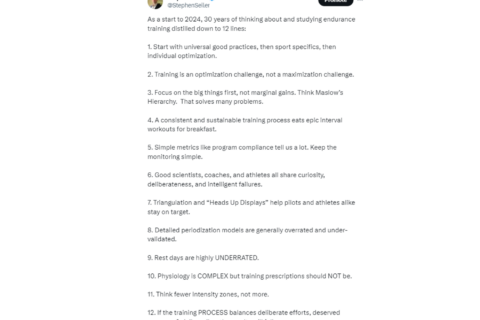
After 30 years of studying exercise endurance training, Dr. Seiler distills it all into 12 fundamental practices.
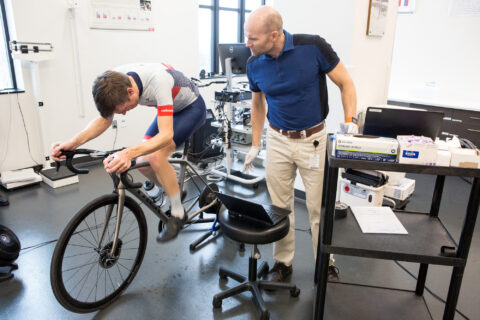
Physiological testing is a powerful tool to fine-tune your training and optimize performance.
This comprehensive guide includes tips and conversation starters to help coaches walk their athletes through this digital Wild West.
Your lactate threshold may not be what you think it is. Coach Trevor Connor explores the true definition of this physiological turn point.
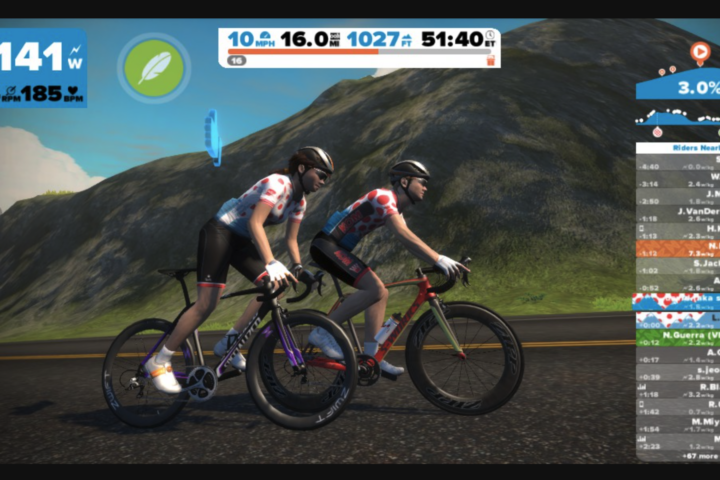
If you are training with Zwift, don’t miss this guide from exercise physiologist Rob Pickels, who explores best practices for this virtual cycling and running platform.
The concepts of central and peripheral conditioning help explain why an effective training base period leads to speed and durability in the race season.
Deep dives into endurance topics.
What will the future of endurance sports look like? From training to research to racing, we examine what is to come.
Joe Friel highlights the 10 most important aspects to becoming a happy coach.
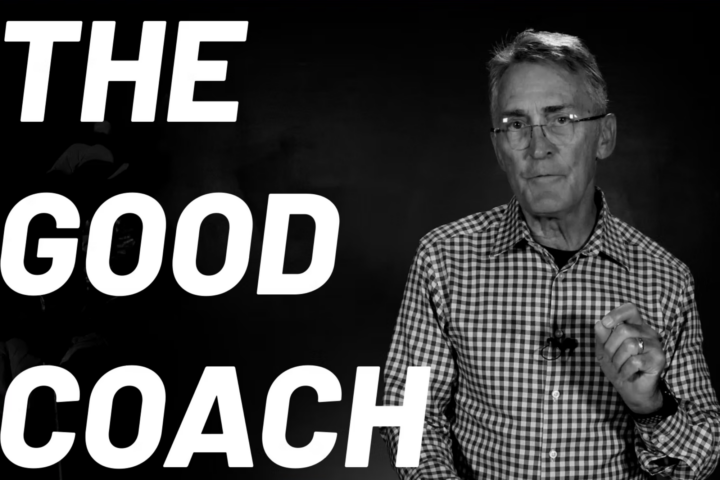
With perspective from over 40 years of coaching experience, Joe Friel shares his detailed list of qualities that make a good coach.
Joe Friel explores the development of annual training plans, short-term plans, and matters beyond sport-specific workouts.
Joe Friel explains the keys to becoming both a good coach and teacher, and taking ownership in an athlete’s progress.
Joe Friel describes why it is so important for coaches to fully understand the unique demands of an athlete’s event.