There Are Only 3 Rides You Should Do
There are really only three types of rides most cyclists need: endurance rides, high-intensity rides, and easy recovery or preparation rides.
Periodization, polarized training, interval workouts—your performance depends on how you train. Master the key training concepts in endurance sports and you will look at every workout with new eyes.

There are really only three types of rides most cyclists need: endurance rides, high-intensity rides, and easy recovery or preparation rides.
This week, our hosts get personal with stories of the biggest and dumbest rides they’ve done, the training book that had the biggest impact on their athletic development, and how they deal with the midseason doldrums.
A new study challenges the hype around Zone 2 training, but Trevor and Chris explain why the real answer is more nuanced: intensity matters, Zone 2 still has value, and coaches and researchers need to work together to understand both.
We review a new study on the risk of injury in triathletes vs. marathon runners. The results defy conventional wisdom.
We discuss whether a couple of heat training sessions a week has any reward (or risk), why lower back pain seems to be on the rise in cyclists, and Grant details his crash at a local race.
Trevor Connor and Chris Case break down the concept of durability—the ability to maintain performance deep into a race or training session, even after hours of fatigue.
For decades, VO2max and time-to-exhaustion dominated endurance research. But world-leading experts now argue that durability and real-world performance tell a much more complete story.
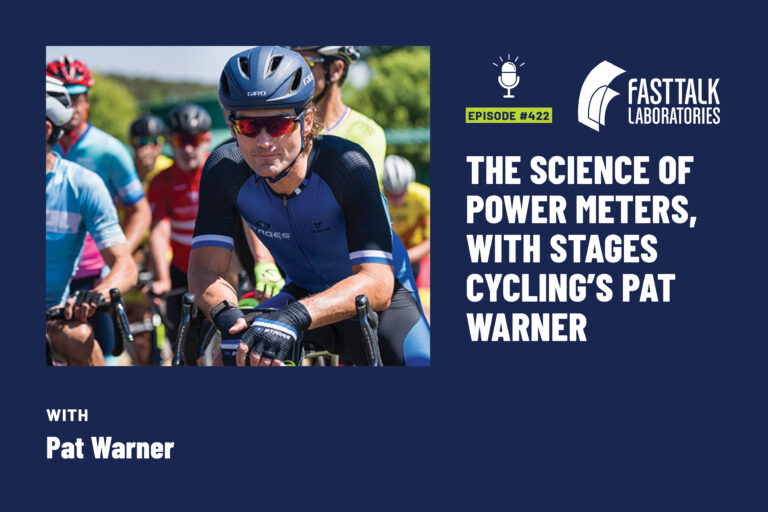
You probably own a power meter, but do you know how it measures power or how these devices have evolved over 20 years? We were joined by Stages Cycling’s head of product development Pat Warner to pull back the curtain on the technology of power measurement.
This YouTube-exclusive discussion looks at a new longevity study that asks a big question: Does exercise intensity matter more than volume for living longer and reducing cardiovascular risk?
We discuss new research on what it takes to win the biggest races in cycling—and how that can help your own racing—and we analyze a study that looks at the potential causes of overtraining syndrome.
In this week’s potluck episode, we discuss what to do when your racing data isn’t what you’d expect based on the numbers you see in training; we define muscle memory and discuss how it pertains to endurance sports; and we detail the many ways that bikes have become more aerodynamic.
We discuss how to find solutions when you’re dealing with injuries without an obvious cause, then we review new research that demonstrates that changes in progesterone, estrogen, and testosterone do not negatively impact performance in males or females.
Zwift revolutionized indoor training, but they didn’t stop there. We talk with Nick Kalkounis and Ryan Cooper about both the history and future of Zwift’s innovations.
Based on their recent research article, the Seilers discuss the proliferation of training zone systems and compare them to the highly touted Norwegian five-zone model.
Purists say never do efforts on long base rides, but recent research is challenging whether a few efforts really do any harm. More importantly, can doing some neuromuscular work help?
In this week’s potluck episode, we discuss when and how to best use average power from our rides, whether there’s a ceiling to our VO2max capacity, and how we can replicate success from season to season.
Understanding the distinction between training fitness and practicing sport can lead to great overall performance gains.
The truth about base training for time-crunched cyclists—what to cut, what to keep, and what actually moves the needle.