
Durability Explained
Trevor Connor and Chris Case break down the concept of durability—the ability to maintain performance deep into a race or training session, even after hours of fatigue.
Trevor Connor and Chris Case break down the concept of durability—the ability to maintain performance deep into a race or training session, even after hours of fatigue.

What is sports science getting wrong in 2026? In this clip from our 400th Fast Talk episode, Dr. Iñigo Mujika, Dr. Stephen Seiler, and Prof. Louise Burke expose some of the biggest blind spots in sports science.

We react to the 2025 review “Nutritionally Relevant Technological Advancements in Professional Cycling” and give practical takeaways on the most talked-about devices athletes are wearing right now.

For decades, VO2max and time-to-exhaustion dominated endurance research. But world-leading experts now argue that durability and real-world performance tell a much more complete story.
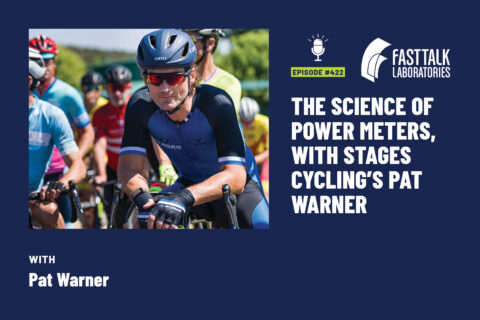
You probably own a power meter, but do you know how it measures power or how these devices have evolved over 20 years? We were joined by Stages Cycling’s head of product development Pat Warner to pull back the curtain on the technology of power measurement.

Who is the greatest endurance athlete of all time? In this clip from our 400th Fast Talk episode, world-leading experts Dr. Iñigo Mujika, Dr. Stephen Seiler, and Prof. Louise Burke debate the greatest endurance athlete in history.
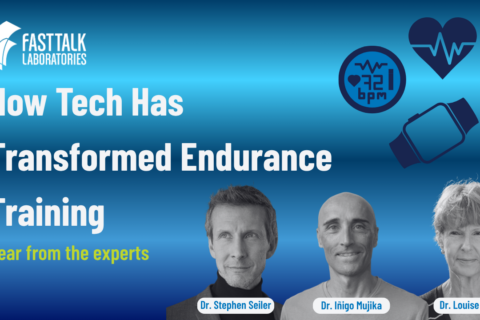
In this special Fast Talk milestone episode, three of the world’s leading experts in endurance physiology—Dr. Stephen Seiler, Dr. Iñigo Mujika, and Dr. Louise Burke—discuss the breakthroughs, mistakes, and technological shifts that reshaped how athletes train, recover, fuel, and measure performance.
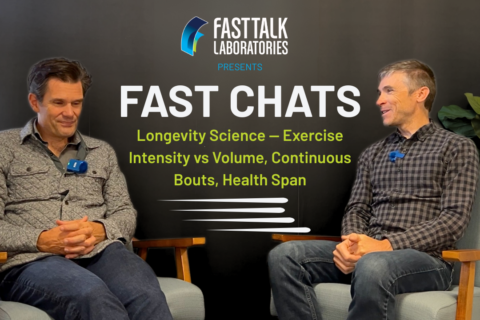
This YouTube-exclusive discussion looks at a new longevity study that asks a big question: Does exercise intensity matter more than volume for living longer and reducing cardiovascular risk?
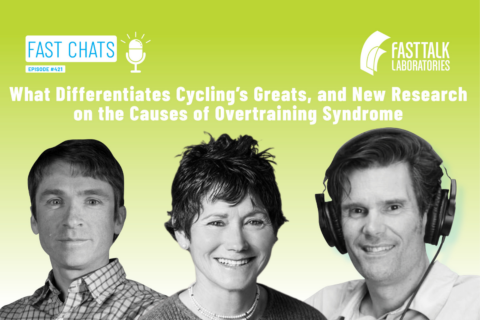
We discuss new research on what it takes to win the biggest races in cycling—and how that can help your own racing—and we analyze a study that looks at the potential causes of overtraining syndrome.
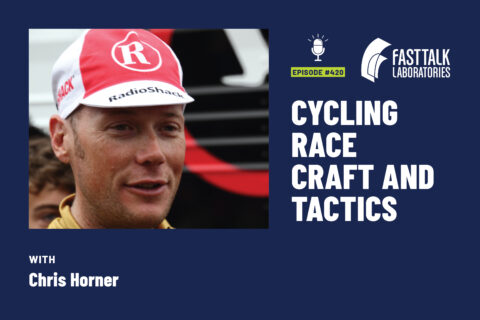
We sit down with one of the smartest bike racers of his day, and the oldest grand tour winner, to hear stories of what it takes to win bike races and outfox the competition.
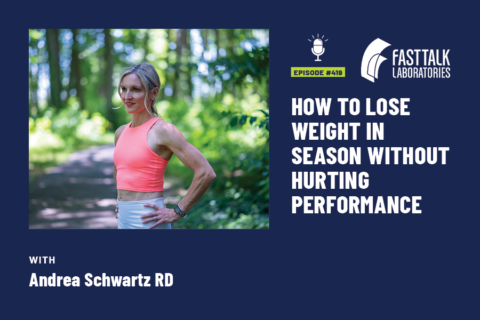
Registered Dietician Andrea Schwartz talks with us about how she works with athletes in-season to hit their weight goals while not getting themselves off-track.
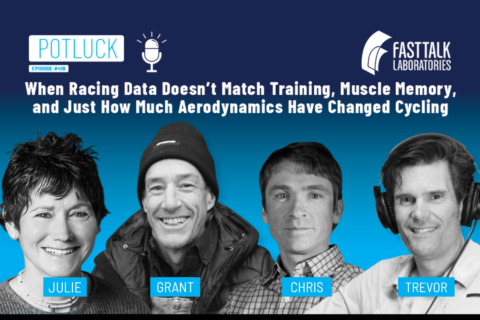
In this week’s potluck episode, we discuss what to do when your racing data isn’t what you’d expect based on the numbers you see in training; we define muscle memory and discuss how it pertains to endurance sports; and we detail the many ways that bikes have become more aerodynamic.
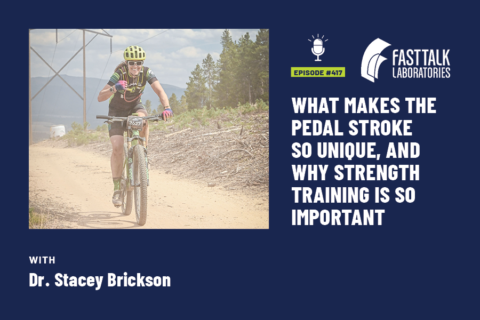
Functional training expert Dr. Stacey Brickson joins us to explain why no other sport movement is like the pedal stroke and, more importantly, why that requires doing additional strength work.
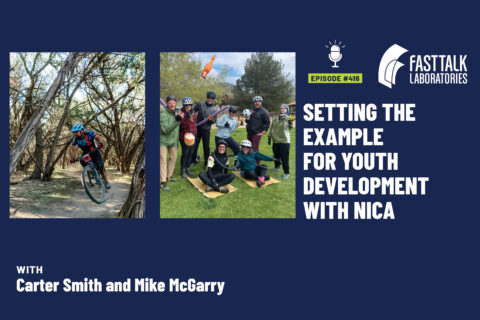
NICA serves all juniors, from future Olympians to kids borrowing their neighbor’s bike. We talk with two leaders at NICA about how they balance serving riders of all levels.
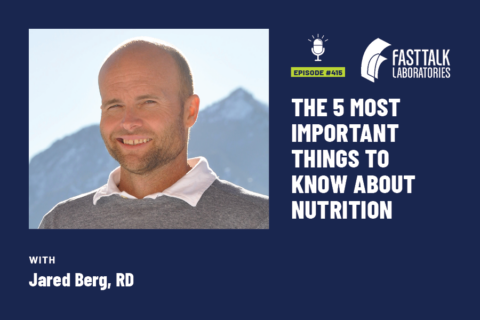
We distilled decades of experience into the most impactful nutrition concepts for athletes.
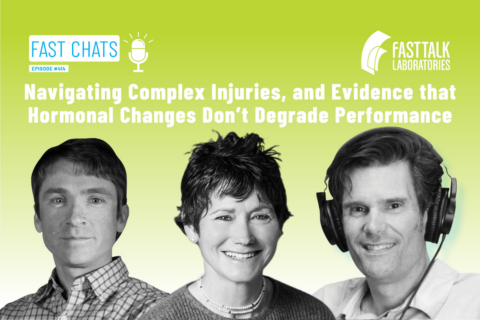
We discuss how to find solutions when you’re dealing with injuries without an obvious cause, then we review new research that demonstrates that changes in progesterone, estrogen, and testosterone do not negatively impact performance in males or females.
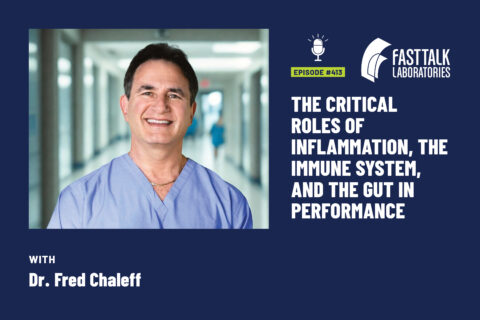
A healthy gut and appropriate inflammation are critical to our training, but finding the right balance is challenging. Cardiologist Dr. Fred Chaleff discusses the ways we can all find equilibrium.
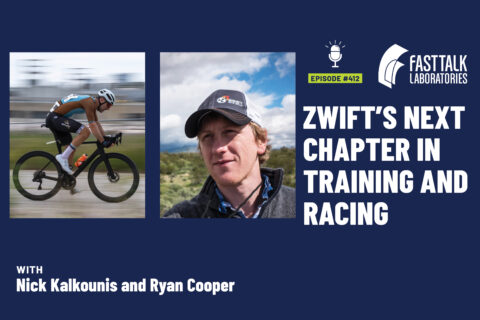
Zwift revolutionized indoor training, but they didn’t stop there. We talk with Nick Kalkounis and Ryan Cooper about both the history and future of Zwift’s innovations.