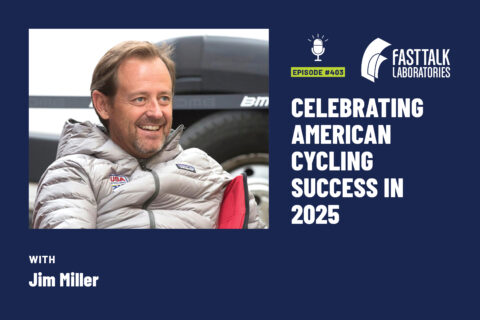
Celebrating American Cycling Success in 2025, with Jim Miller
Across cycling disciplines, American riders male and female had exceptional success. USA Cycling’s Chief of Sports Performance details the highlights, addresses.
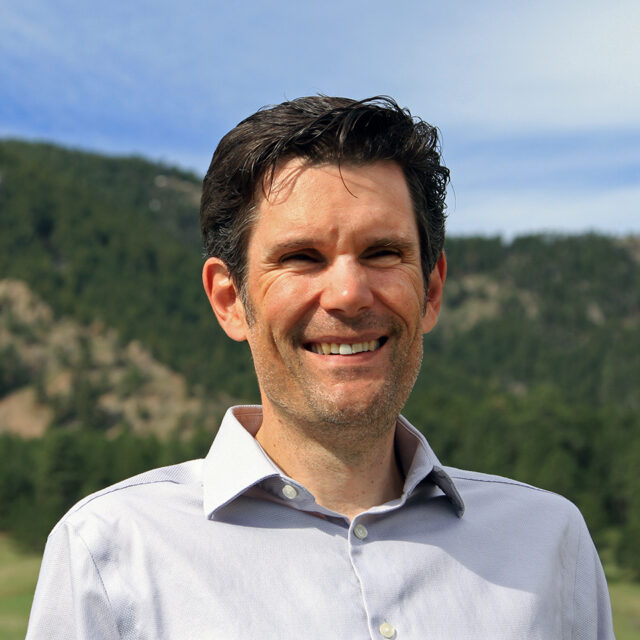
Across cycling disciplines, American riders male and female had exceptional success. USA Cycling’s Chief of Sports Performance details the highlights, addresses.

Athletes can now perform sweat analysis, check skin temperature, and monitor insulin in the field. But should they? We review the latest in nutrition technologies. We also talk about the potential adverse impacts of carbohydrates and caffeine on our health.
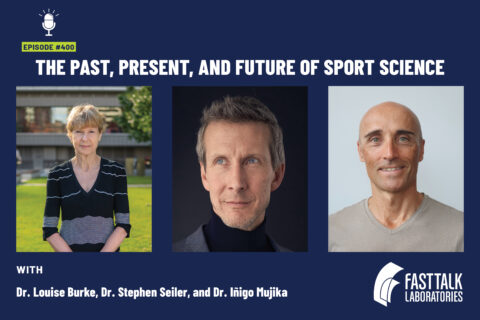
For our 400th episode we invited three of the most prominent names in exercise physiology to discuss where we are and where we’re going in endurance sports science.

As athletes, we understand the need for training plans, but have you ever considered applying the same principles to your nutrition? This episode discusses how it’s done.

Two new studies challenge common assumptions: intensity may matter more than volume for healthy aging, and triathlete injury patterns aren’t what most coaches would predict. We unpack what this means for training prescription, and why neuromuscular and strength work belong in every plan.
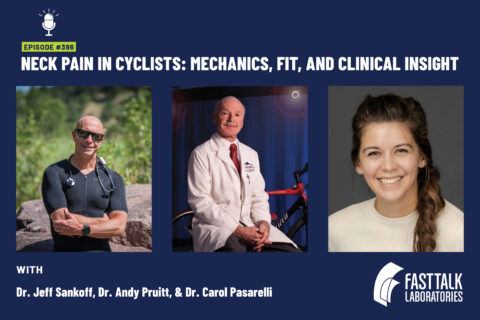
Experts in medicine, biomechanics, and physical therapy join Dr. Griffin McMath and Trevor Connor to decode the causes of neck pain in cyclists and the strategies that keep athletes strong, steady, and pain-free over the long haul.
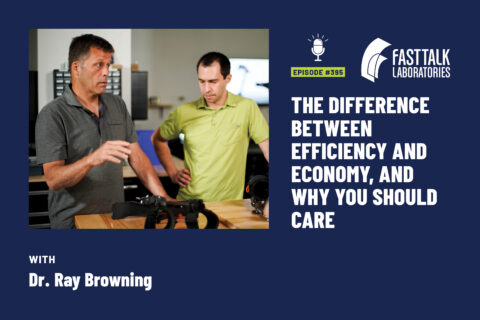
Dr. Ray Browning joins us to answer a question that even some exercise physiologists get wrong: what is the difference between efficiency and economy?

We talk with Dr. Jennifer Harris about the critical role that parents play in junior athlete development, and why that role is too often ignored or left undefined.
We unpack what pain really means in endurance sport and how ultra-athletes use interoception, mindset, and adaptive coping (vs. maladaptive spirals) to finish stronger—less suffering, more control.
In this week’s potluck episode, we discuss whether there are issues with coming down from altitude, how to do a fatigue week with limited time, and whether or not to use auto-pause.
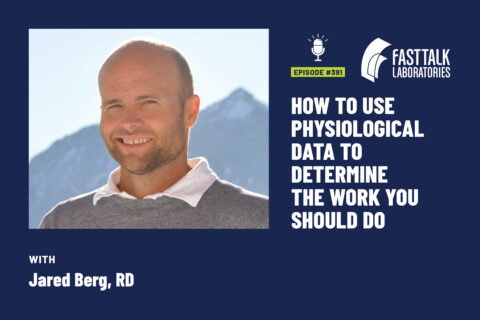
Physiologist Jared Berg talks with us about how he uses both in-lab and on-the-road testing to determine what type of work an athlete should focus on.

No American skier has rewritten the record books like Jessie Diggins. She’s figured out how to take down the Norwegians at their strongest sport—and she shares how she did it.

Zone 2 training has become all the rage, but a 2025 review is taking a step back and questioning whether it really produces the gains we thought it does.
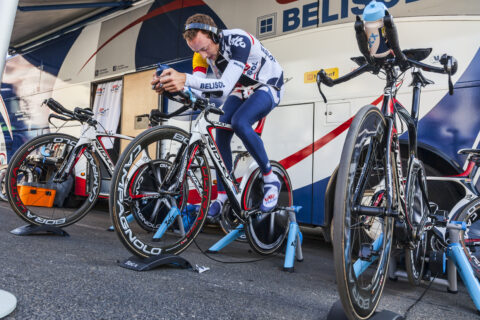
We explore the best method for priming yourself for racing—busting myths and delving into the science of warm-up routines.
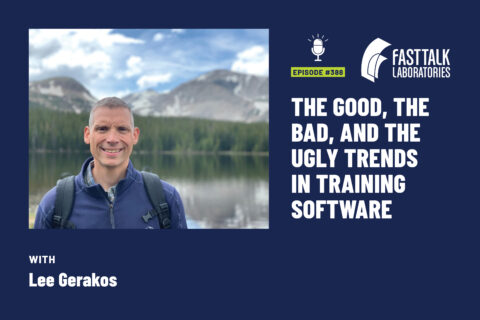
TrainingPeaks CEO, Lee Gerakos, joins us to discuss the current trends in training software and where he thinks they are going.
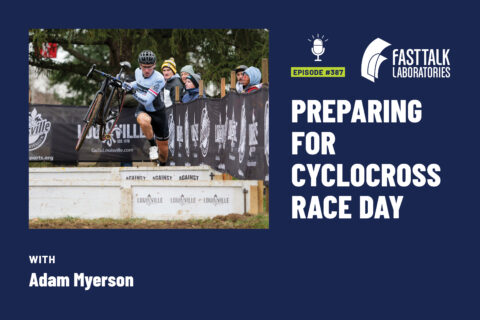
Cyclocross veteran Adam Myerson shares the essential race-day strategies—covering equipment, course inspection, warm-up, nutrition, and tactics—that can make or break your season.
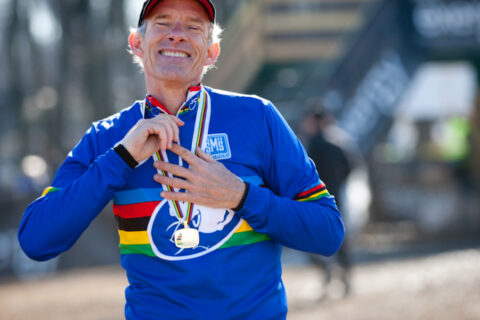
Age-related declines in performance are not as inevitable as you think.
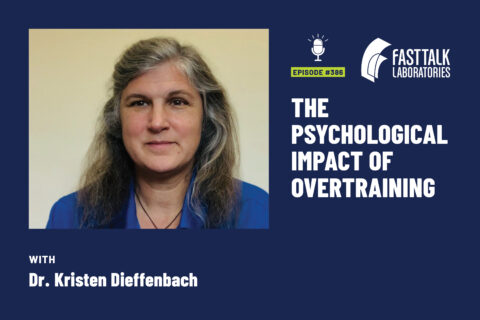
We talk with Dr. Kristen Dieffenbach about the psychological indicators of overtraining, which can often be the more dynamic signs for athletes and coaches to look for.