External Load vs. Internal Response
Load, stress, strain—they’re terms we hear a lot in sports science, but what do they mean? Dr. Stephen Seiler explores how your internal response to external load will change as you become fitter and more durable.

Load, stress, strain—they’re terms we hear a lot in sports science, but what do they mean? Dr. Stephen Seiler explores how your internal response to external load will change as you become fitter and more durable.

Get the right mix of intensity at the right time and polarized training pays off. Take a disciplined approach for best results.
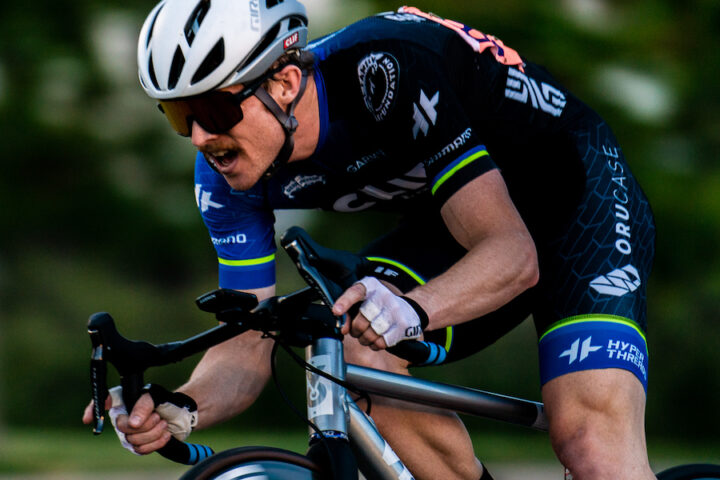
The concepts of central and peripheral conditioning help explain why an effective training base period leads to speed and durability in the race season.

Sticking to 80/20 and training by heart rate are just two of the key polarized training rules you’ll want to follow.

Polarized training is most successful when your body is ready for high-intensity sessions. Understanding how your autonomic nervous system works can help you time it right.

Physiologist Rob Pickels nerds out with Trevor Connor on four recent studies that span a wide range of topics, from the benefits of percussive massagers for strength work to the impact of pregnancy on elite runners. Tune in to find out more.

Polarized training is all about building duration without incurring high stress. Where does your steady state break down and what can you do about it?
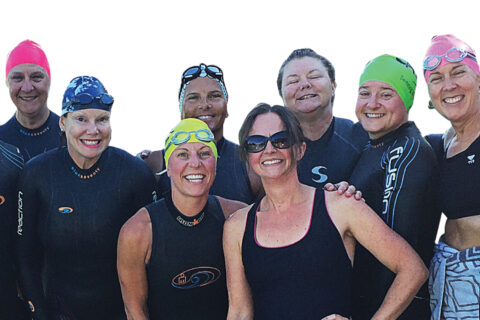
Every athlete is a study of one, presenting different limitations and strengths. The best coaches are able to identify these differences and adapt their style and strategy to meet the unique needs of every athlete.

Neuroscience isn’t an exciting term, but it can be one of the most important factors in how well our muscles perform. We talk about this fascinating connection between mind and body with Dr. Scott Frey.

He’s coached some of the biggest names in distance running and underpinning a large amount of his success was his capability to be versatile.

Coach Julie Young describes the performance improvements made when one of her athletes switched to a year-round training program.

The lab simplifies the path forward for the athlete, showing how the body is responding to training and taking us back to the basics.

To achieve a top performance an athlete must be both physically and mentally prepared. It’s the mental piece that can be the toughest to coach.

Coach Scott Saifer discusses what it takes to work with athletes who might lack ability or motivation, or both.

By coaching athletes of all levels and aspirations, Christine Schirtzinger has learned how to build a better business—and be a better coach.
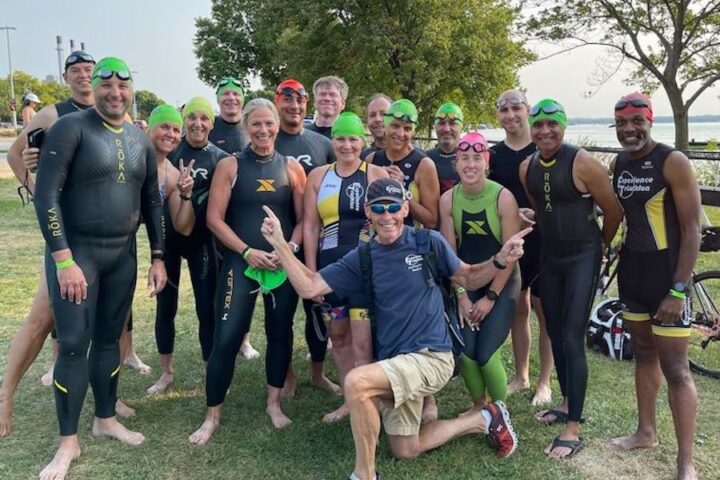
Whether it’s the last person to cross the finish line or the ones standing on the podium, Coach Joe LoPresto believes all athletes are more alike than different.

Every coach wants to work with athletes who possess both talent and motivation in spades. In reality, your clients are probably lacking in one or the other. Consider how your coaching style might be suited to a particular athlete type, and whether your client list reflects this.
How does an athlete’s personality affect how you write their training plans and give feedback? It can be far more varied than you might realize.