
Four Pathways for Adaptation: USA Cycling Course
In this course for coaches, exercise physiologist Dr. Paul Laursen reveals the four physiological pathways that drive the fitness-boosting adaptations from training.
In this course for coaches, exercise physiologist Dr. Paul Laursen reveals the four physiological pathways that drive the fitness-boosting adaptations from training.

Upgrade your client conversational skills! This course shows how to communicate confidently with athletes, set clear expectations, and handle tough conversations with professionalism.

Sports nutrition experts Ryan Kohler and Trevor Connor show how to create personalized race-day sports nutrition plans that match the energy needs of your athletes given the demands of their chosen events. This course explores case studies including the Leadville Trail 100 MTB and draws from research by Dr. Iñigo San Millán.

This course shows the basics of when and how to use HIT, based on the latest science and insights from Dr. Stephen Seiler.
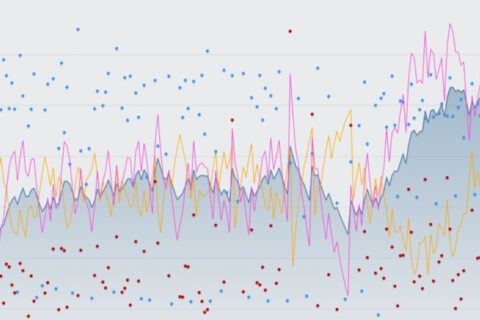
This course shows cycling coaches how to read the most important power metrics, understand what they mean for a workout and in the context of weeks and months of training, and then transform this power-based analysis into clear coaching decisions.

Most training plans succeed at workouts and fail at recovery. This online course shows how to make recovery a key, active ingredient in your training plans, so athletes absorb workouts more effectively.

In a world where AI hype is boundless, this course from Dr. Paul Laursen of Athletica.ai reveals real world ways coaches can leverage AI for their athletes and shows why human coaches are critical to athlete success.

This course shows how to create better youth cycling team cultures to help young riders thrive instead of just surviving practices and races. Tapping expert sources like Dr. Jennifer Harris, the Positive Coaching Alliance, and Boulder Junior Cycling’s founder Pete Webber, this course prepares coaches to build the next generation of lifelong cyclists.
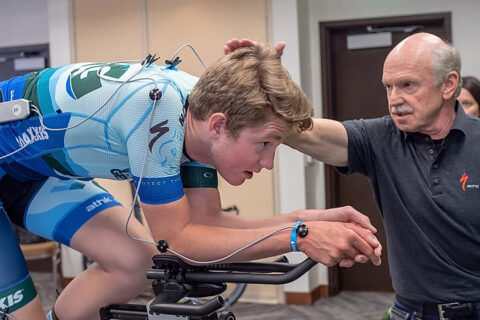
This course featuring Dr. Andy Pruitt, coach and bike fitter Colby Pearce, and Todd Carver, cofounder of Retül and Head of Human Performance at Specialized, shows coaches how to guide their athletes to dial in the right balance of aerodynamics, power, and comfort for faster, stronger cycling.

See how to protect your personal and business assets—and your athletes—with smart strategies that limit the liabilities for your coaching business.

See how to track your coaching business’s financial health and forecast profit, manage losses, and plan for future financial scenarios.

In this course, co-founder of Metta Endurance, coach Holly Benner provides a step-by-step guide to planning and launching your small business from ownership structure and government filings to finance and business plan.
Drawing from the latest in sports psychology, this course gives coaches a structured approach to developing mental skills and resilience with guidance from Dr. Simon Marshall and pro triathlete and world champion Lesley Paterson.

This course from Dr. Brian Butki and coach Grant Holicky shows coaches how to prepare athletes mentally for race day with Race Day Cognitive Plans, visualization drills, and plug-and-play cues to help athletes achieve their IZOF.

The popular phrase “sleep high, train low” does not fully capture the best practices of altitude training. In this course, coaches learn the physiology, timing, and strategy that makes altitude training more effective.

Understanding the basics of mindset, motivation, and mental skills can go a long way in coaching your athletes to better performance. This course explores the fundamentals of sports psychology for endurance athletes.
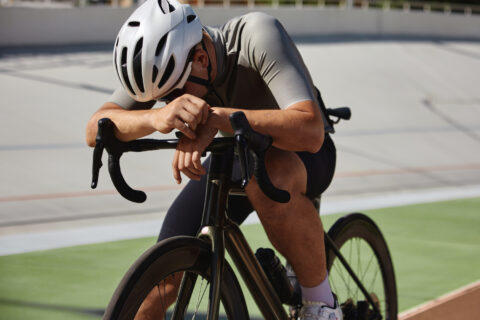
Athletes who can’t do workouts or often bonk during races might be chronically under-fueled. This course featuring Dr. Emily Kraus and Siren Seiler-Viken teaches coaches how to spot the warning signs, understand the science, and use proven strategies to keep your athletes healthy, resilient, and performing at their best.

This course from Joe Friel, Dr. Vladimir Issurin, and exercise physiologist Rob Pickels shows how “traditional” and “block” periodization methods work best, when to use them, and why they are best implemented for different athletes and training goals.