
Endurance Base Training: USA Cycling Course
Learn how to guide your athletes through a smart, sustainable base season—and lay the aerobic foundation for stronger performance, season after season.
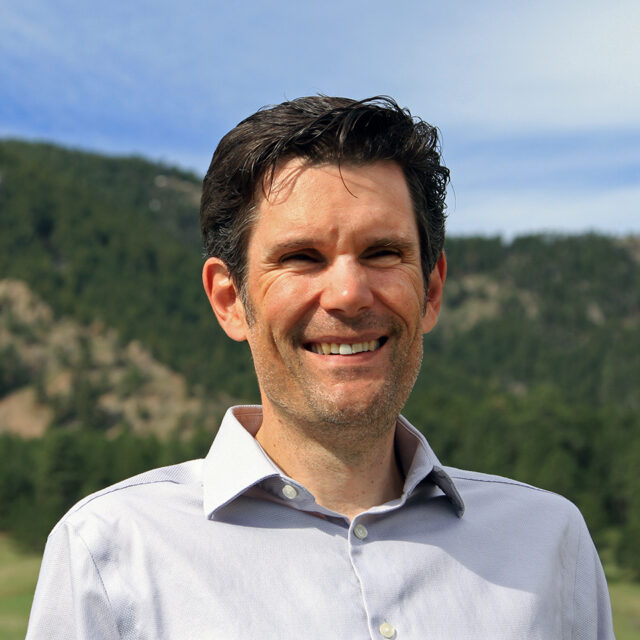
Learn how to guide your athletes through a smart, sustainable base season—and lay the aerobic foundation for stronger performance, season after season.

Explore how to translate heart rate, power files, and subjective feedback into smarter, more personalized coaching decisions.
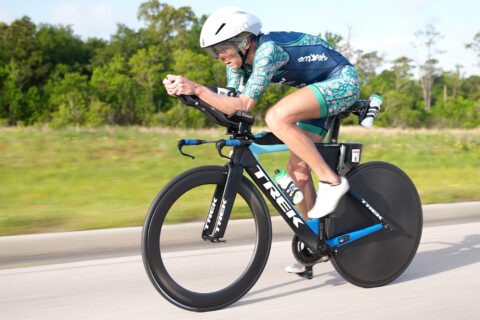
This course helps coaches understand the physiology, motivation, and mindset of masters athletes to help them stay competitive at any age.
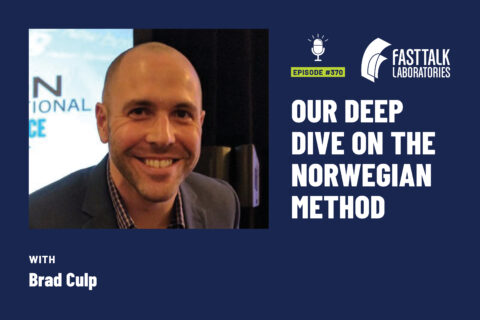
We talk with Brad Culp, author of “The Norwegian Method,” about the main tenets of the training philosophy, as well as who should and shouldn’t apply the method in their training.
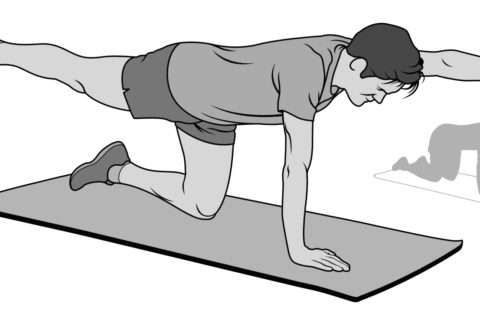
The importance of a strong core for athletic performance can’t be overstated. Trevor Connor details the various benefits of a strong core, and the disadvantages of a weak one.
Mollie Brewer joins us to discuss how we interact with data – which can say as much about coaches and athletes as the data itself.

On this episode, Lennard Zinn shares his decades of experience and experimentation to help answer the question of whether shorter cranks are better.
The TriDoc Jeff Sankoff joins us to talk about how to still apply the principles of supercompensation and progressive overload in a sport as complex as triathlon.

This course will provide you with a strong foundational understanding of how the human body responds to training.

This course teaches coaches how to identify, prevent, and manage the full spectrum of overreaching, overtraining, and training-related dysfunction—with insights from world-renowned physiologist Dr. Stephen Seiler and other leading experts.

In this week’s potluck episode, we discuss the balance of athlete autonomy versus prescription, how to balance training with multiple types of bikes, and how to avoid being swayed by athlete-marketed skincare trends that may not be worth the hype.
We talk a lot about fitting your bike to your body, but there’s a lot you can do to keep your body healthy and help it fit in a more powerful position on the bike.
Dr. Stephen Seiler joins us to talk about his new project developing a breathing frequency measure and why it may match up better with perceived exertion than heart rate or power.
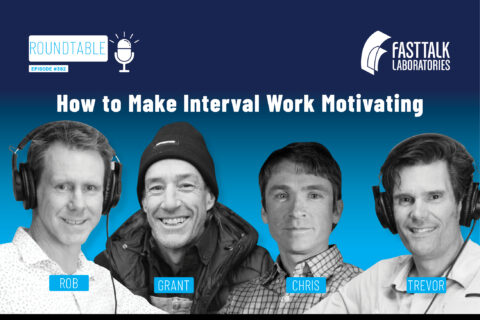
Our team of coaches got together and discussed why we do intervals, how to execute them, and most importantly, how to make them more fun.
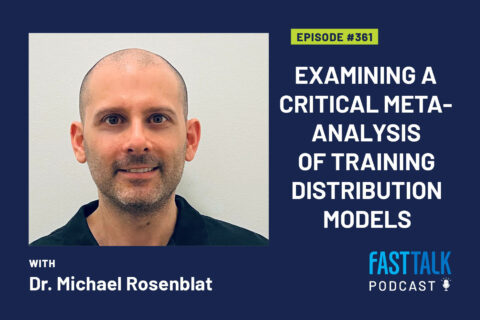
Dr. Michael Rosenblat joins us to discuss the largest meta-analysis comparing distribution models, which he co-authored with Dr. Stephen Seiler.
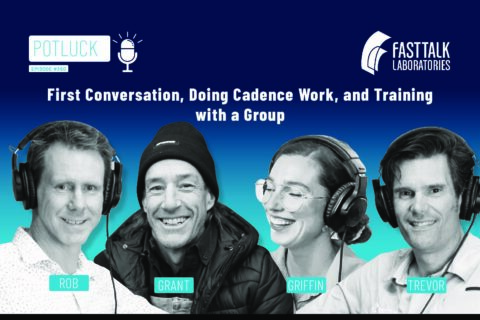
In this week’s potluck episode, we discuss what coaches should look for in their first conversation with an athlete, how to best do cadence work on the bike, and how to take advantage of group training while not losing sight of your plan.
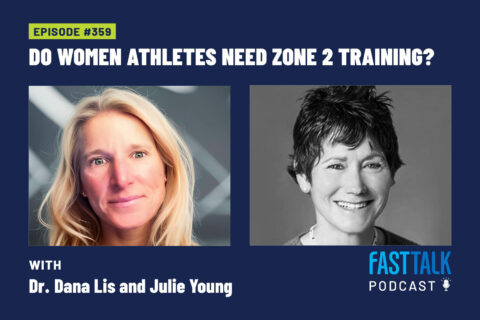
Recently, some prominent researchers have suggested that women need far less zone 2 training than previously thought. Physiologists Julie Young and Dr. Dana Lis join us to debate that question.
Coach Isaiah Newkirk joins us to talk about why progressive overload is so important to training, and how we can continue to get gains when we can’t add more volume or intensity.