Longevity and Biomarkers of Performance
In this episode, we take a critical look at the longevity movement and explore the most valuable—yet elusive—biomarkers for athletes.
In this episode, we take a critical look at the longevity movement and explore the most valuable—yet elusive—biomarkers for athletes.

Leipheimer talks with our team about how a new racing model used at the Levi Fondo may be the future of domestic racing.

By stringing together several days of high-intensity training, then adequately recovering, overload blocks can produce big gains.

Adding days to your microcycles will help you improve recovery, which can improve HIT sessions. It’s a win-win.
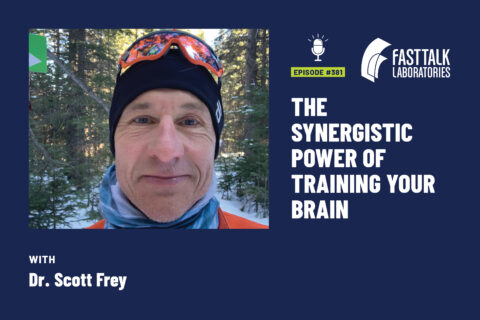
We’re joined by neuroscientist Dr. Scott Frey as we explore the effects of mental fatigue and brain endurance training on performance.

Coaches have known about the importance of durability for years, but researchers are only just starting to catch up. We discuss why it is the fourth pillar of performance.
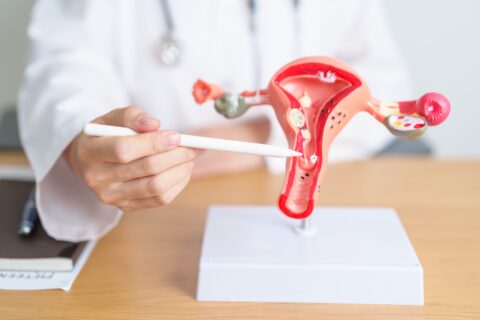
Hormonal fluctuations during the menstrual cycle influence training, recovery, and performance. Individual tracking and targeted strategies help female athletes adapt and thrive.
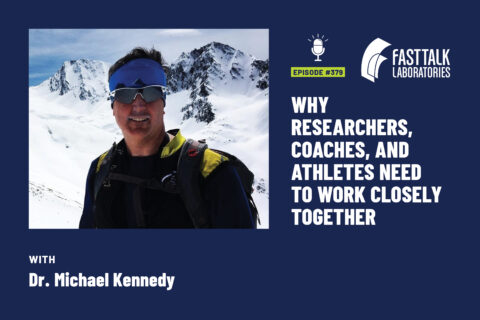
We talk with Dr. Michael Kennedy about his work trying to bridge the knowledge-practice gap between researchers and practitioners.
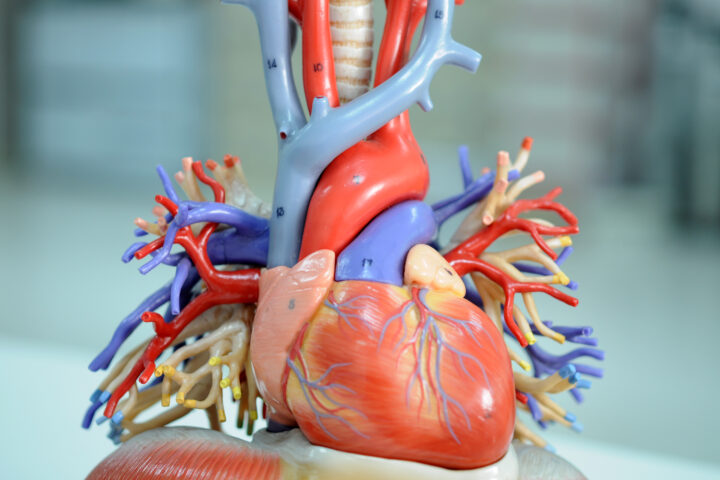
The cardiovascular system powers endurance performance. Explore how training reshapes the heart, what causes cardiovascular drift, and why too much exercise may carry long-term risks.

In this week’s potluck episode, we discuss lessons learned from big events, the difference between over-under’s and true HIIT intervals, and whether all base training is made equal.

Oxygen delivery, VO2max, and breathing efficiency all shape how the respiratory system supports endurance performance.
Brent Bookwalter talks with us about the importance of balancing physical and mental resources to get our workouts just right.

Hormonal regulation plays a vital role in energy balance, recovery, and performance—disruptions can lead to fatigue, stagnation, or overtraining.
Two nutritional trends have serious health and performance consequences. We discuss the why, what, and how of protein and sodium intake.
The era of AI-augmented endurance coaching is here. New tools don’t just collect data—they intelligently interpret, adapt, and learn, helping data-driven coaches and athletes to refine their training.

Doing more sprint work and cadence drills on your rides could lead to substantial performance gains.

In this episode, we explore how endurance athletes and coaches are using today’s top nutrition apps—and what to consider before relying on them.
The world of AI is changing extraordinarily fast. We spoke with Dr. Paul Laursen about the current challenges and developments of the technology.