The Power of Finding Your Why
Knowing what energizes you as a coach will cultivate performance. It also creates bandwidth for situations where energy and outcome are not yet dialed.
Coaching is hard! A good coach must manage challenging athletes, build a business, grow his or her knowledge, stay on top of new software—in many ways, being a cycling, triathlon, or running coach today is harder than ever before. At the same time, it’s easy to find advice online—though it’s hard to know how good that information is.
At Fast Talk Labs, you can be certain you’re getting beneficial advice from our in-house coaches, who have over 40 years of experience in personal coaching, group coaching, and online coaching.
Are you a coach? We offer coaching support services to help you develop your practice and get answers to technical questions. Apply to join our Coaching Support program.
Knowing what energizes you as a coach will cultivate performance. It also creates bandwidth for situations where energy and outcome are not yet dialed.

Taking ownership of the best practices for performance can help the coach-athlete relationship work at its best. Use this list to troubleshoot your existing client relationships.

The lines between life and sport can quickly blur. Difficult issues like weight loss or obsessive behavior can lead to big problems for coaches.

The options for data and devices are endless and some athletes need their coach to intervene. Coaches Ryan Kohler and Alison Freeman describe the metrics that matter most.

Moving well is the key to consistent training, but what are the key areas of mobility for endurance athletes? We find out in this video interview with strength coach Erin Carson.
The typical endurance athlete is time-crunched, which triggers a number of challenges for coaches around rest and recovery.
A top strength coach shares her insights on how to structure strength training for endurance athletes.

Build your bike-specific strength and power with this fun and dynamic workout from a top pro triathlete.
Most coaches have additional expertise to offer their athletes as services, but there’s more than one way to grow your coaching business.
Coaches want to see CTL, or fitness, on the rise. But there are times in the season when CTL will go down. Joe Friel explains why this is critical.
Should strength sessions be factored into an athlete’s Training Stress Score? Joe Friel explains when and how to score cross-training.
What’s the best way to handle an athlete who has a plan of their own? Joe Friel talks about the coach-athlete dynamic and how you can use doubt to strengthen the relationship.
Good intentions can lead many coaches to give away their time for free. It’s a costly mistake that will hurt your coaching business.
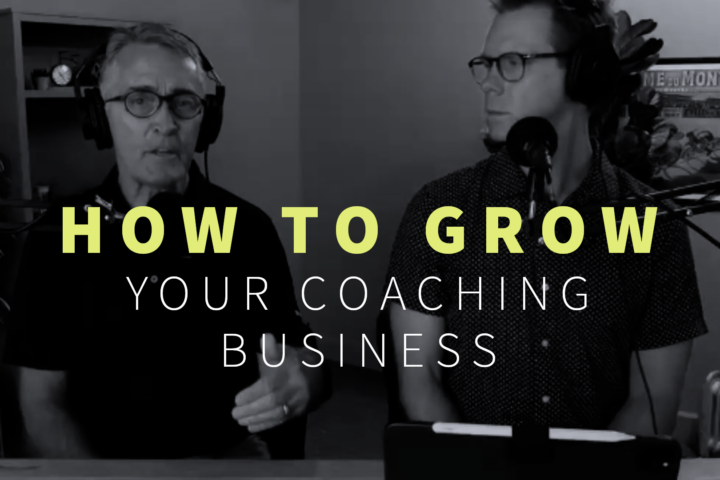
How many athletes should a coach take on? Many new coaches try to build their client list quickly, but it’s easy to trade effectiveness in the rush for scale.
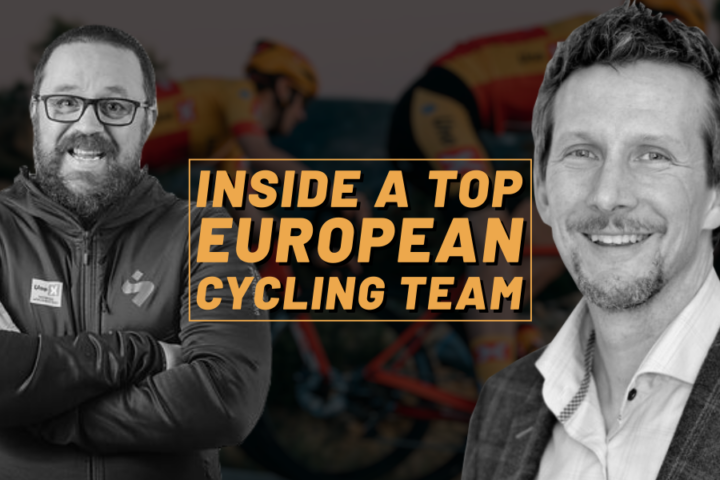
Espen Aareskjold, coach of Uno-X Pro Cycling, talks with Dr. Seiler about how he develops some of the best cyclists in the world.
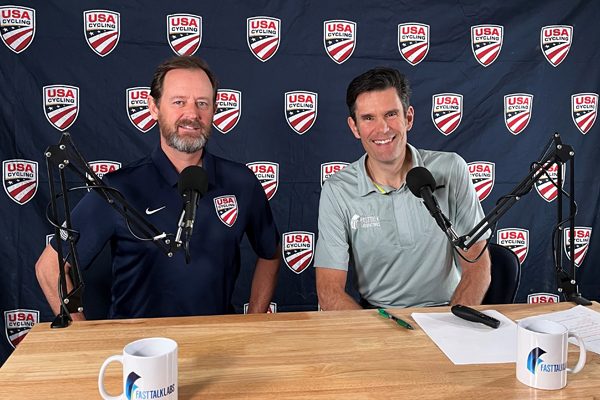
Fast Talk Labs’ CEO Trevor Connor reports from USAC’s coaching conference.
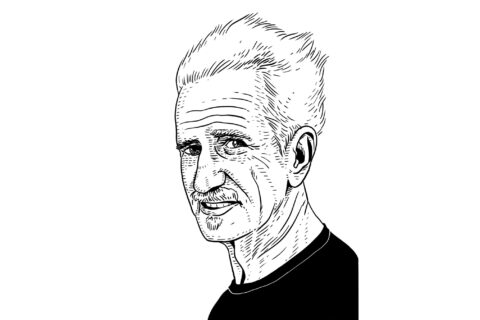
A rigorous, holistic approach to mental and physical training steeped in high-intensity sessions and hill running at a beachfront property would likely appeal to today’s athlete. This Australian running coach was ahead of his time.
We are products of our social, mental, and biological processes, but what does this mean for coaches and athletes? Andy Kirkland explains how to adjust training for better results.